RECENT BLOG POSTS

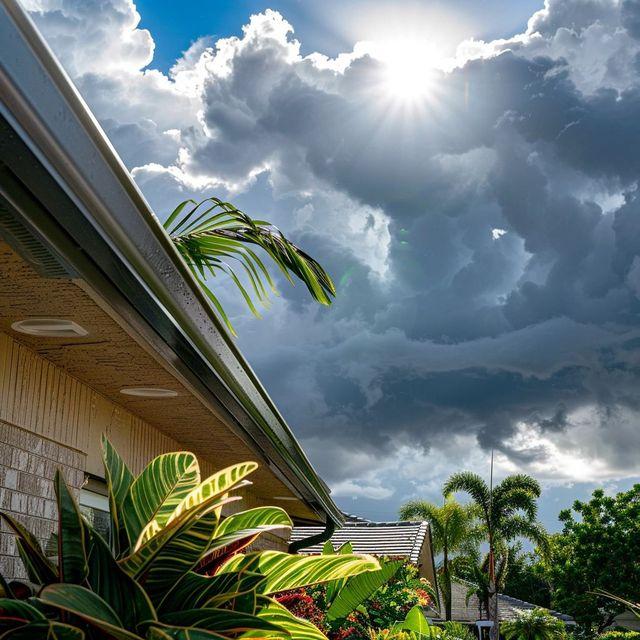
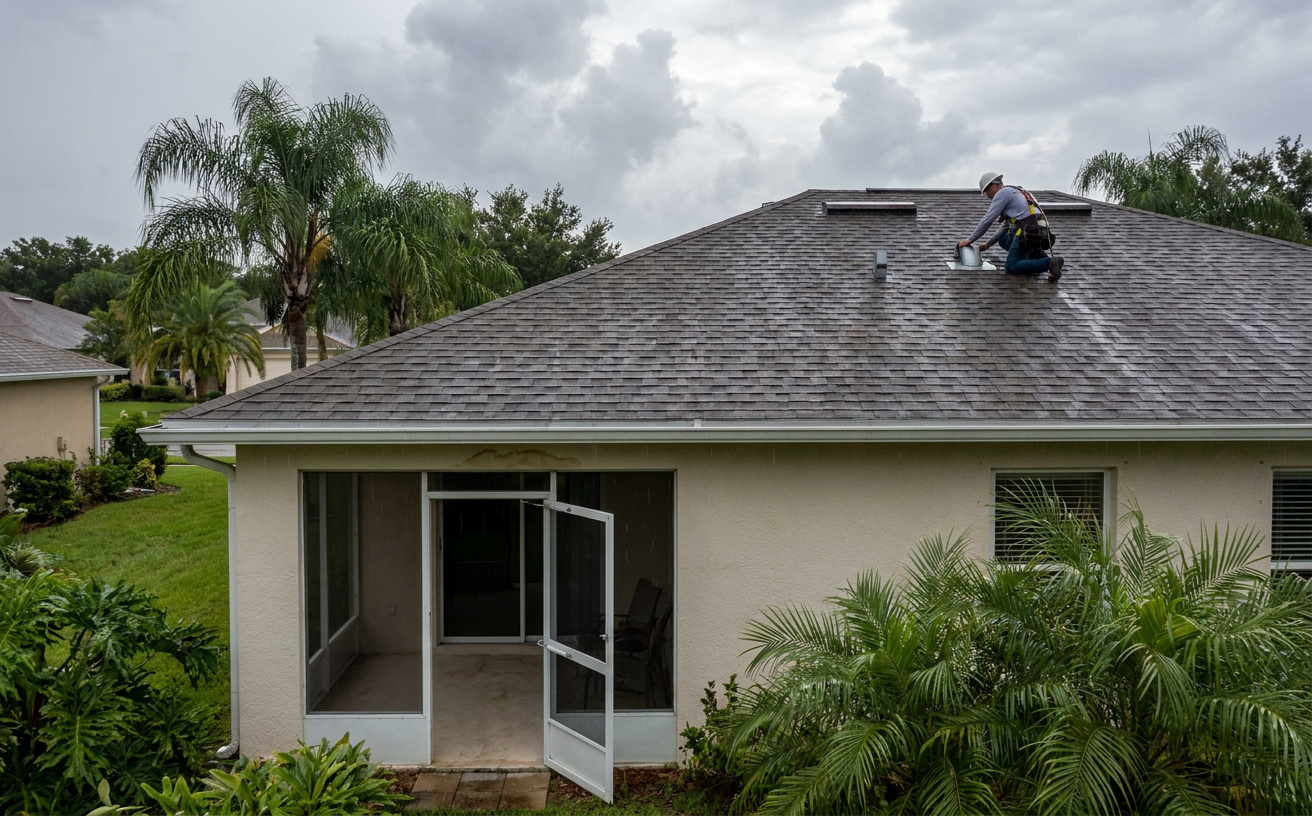
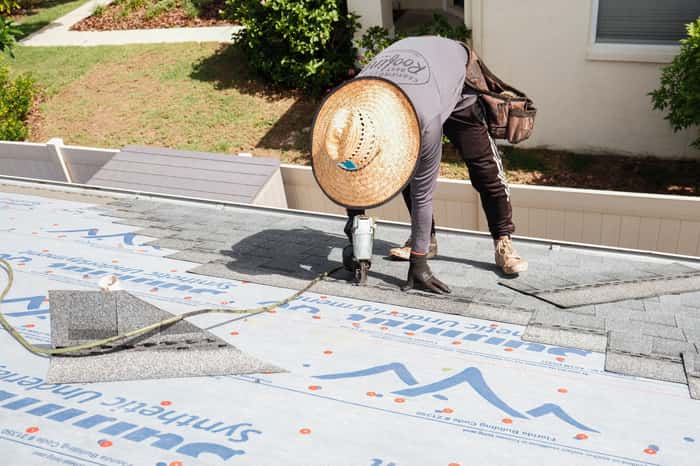
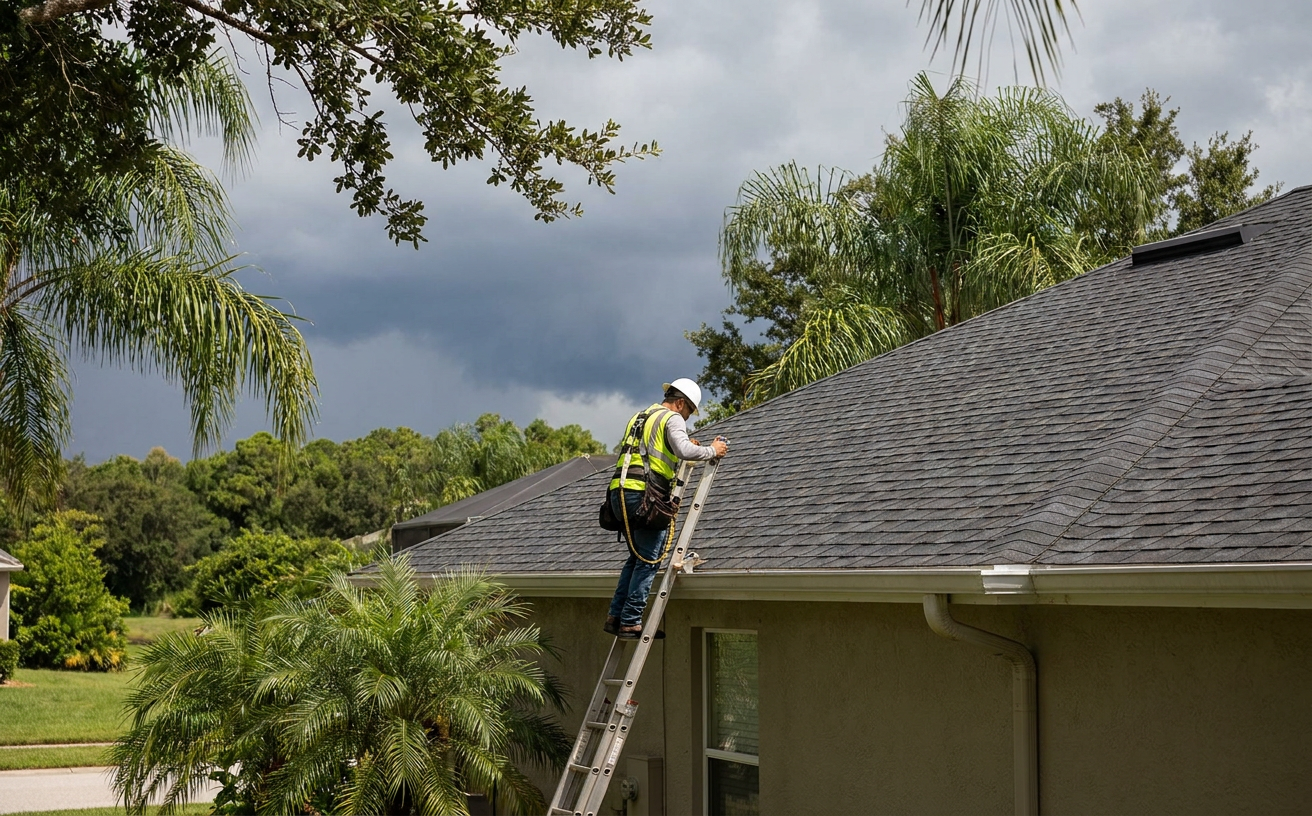
The hail and wind storm that moved through parts of Central Florida earlier today was no joke. While many homeowners immediately look for obvious signs of damage like broken screens or dented gutters, roof damage is often much harder to spot from the ground. At Certified Best Roofing, our interactive hail mapping system alerted us that several areas across Central Florida experienced hail ranging from approximately 0.5" to 1.25" in size, along with strong winds. Many homeowners assume smaller hail cannot damage a roof, but that is not always true. Older roofs are often more vulnerable because shingles become brittle over time. In many cases, smaller hail can cause granule loss, bruising, cracked shingles, or weakened roofing materials that may not be immediately visible.

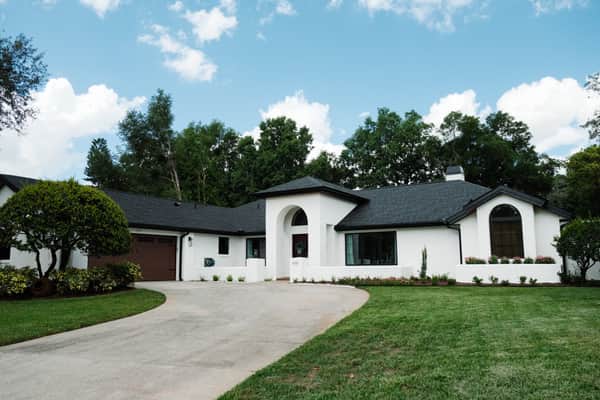
Florida storm season is a big deal, especially for folks living in Central Florida. When June 1st rolls around, it's not just the start of summer fun; it's also the official beginning of hurricane season. Preparing your home, especially your roof, is super important. You might be asking, "How do I prepare my Florida roof for hurricane season?" Well, you're in the right place! This checklist will walk you through everything you need to know to get your roof ready and help protect your home from those strong winds and heavy rains. A little bit of work now can save you a lot of headaches and money later. Your roof is your home's first line of defense against the fierce weather we see here in Florida. High winds, torrential downpours, and even hail can cause serious damage if your roof isn't up to snuff. That's why we at Certified Best Roofing want to make sure you have all the information you need to make smart choices. This guide is designed to be easy to understand, so you can tackle these tasks with confidence.

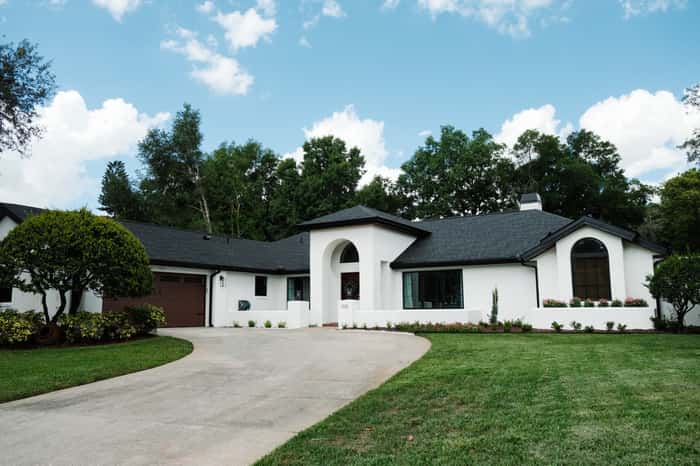
What is the average lifespan of a roof in Florida? If you live in Orlando, you know our sunshine is a double-edged sword. It's great for theme parks and outdoor fun, but it's tough on your roof. The national average for roof lifespans just doesn't apply here in the Sunshine State. Florida's intense UV rays, high humidity, and frequent storms mean your roof works harder and ages faster. This guide will break down how long a roof should last in Florida, material by material, so you can be prepared. Why Florida Roof Lifespan is Different Many homeowners ask, "how long should a roof last in Florida?" The answer is often shorter than you might think. Our climate is unique. The sun beats down almost every day, and those UV rays slowly break down roofing materials. Then there's the humidity, which can lead to mold and mildew growth, especially in shaded areas. And let's not forget hurricane season, bringing strong winds and heavy rains that test even the toughest roofs. All these factors combine to reduce the average roof life in Florida compared to cooler, drier parts of the country. Understanding these challenges is the first step to making smart choices for your home in Orlando.