The Reality of Roof Lifespans in Florida: Material by Material Breakdown
What is the average lifespan of a roof in Florida?
If you live in Orlando, you know our sunshine is a double-edged sword. It's great for theme parks and outdoor fun, but it's tough on your roof. The national average for roof lifespans just doesn't apply here in the Sunshine State. Florida's intense UV rays, high humidity, and frequent storms mean your roof works harder and ages faster. This guide will break down how long a roof should last in Florida, material by material, so you can be prepared.
Why Florida Roof Lifespan is Different
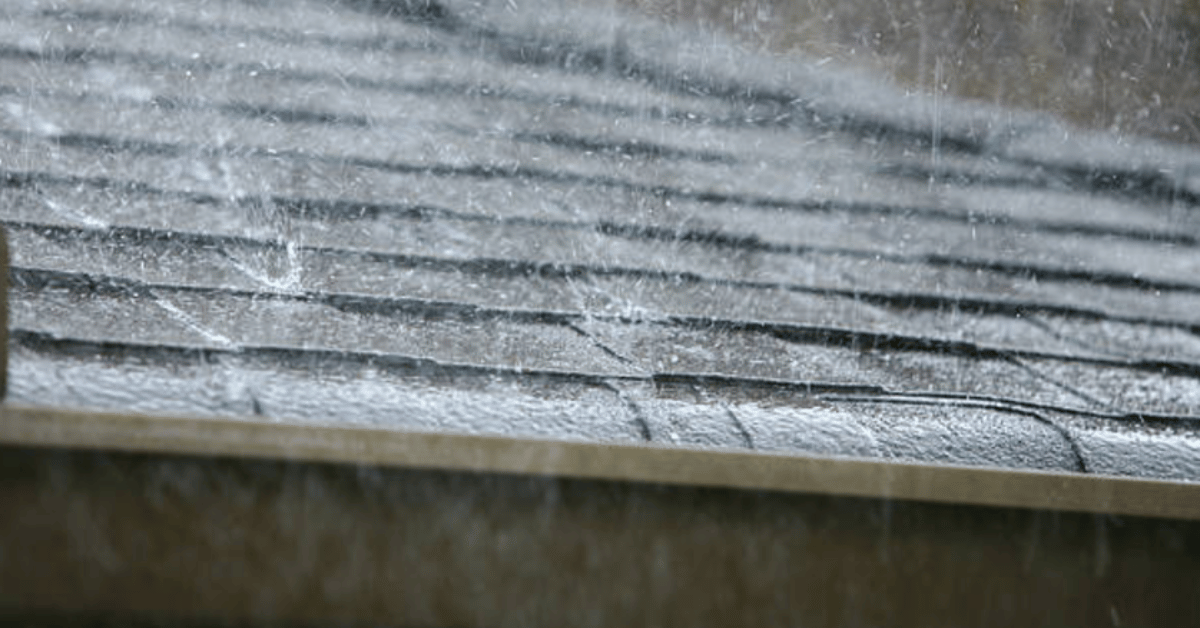
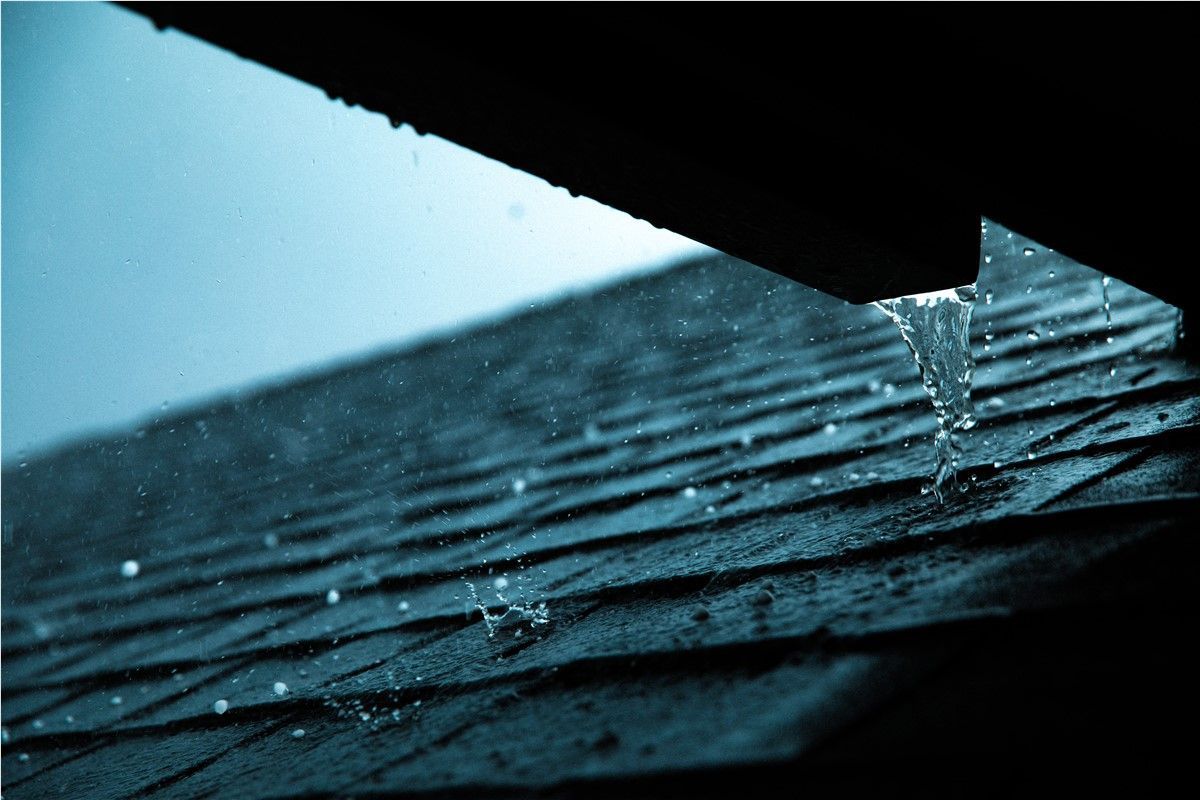
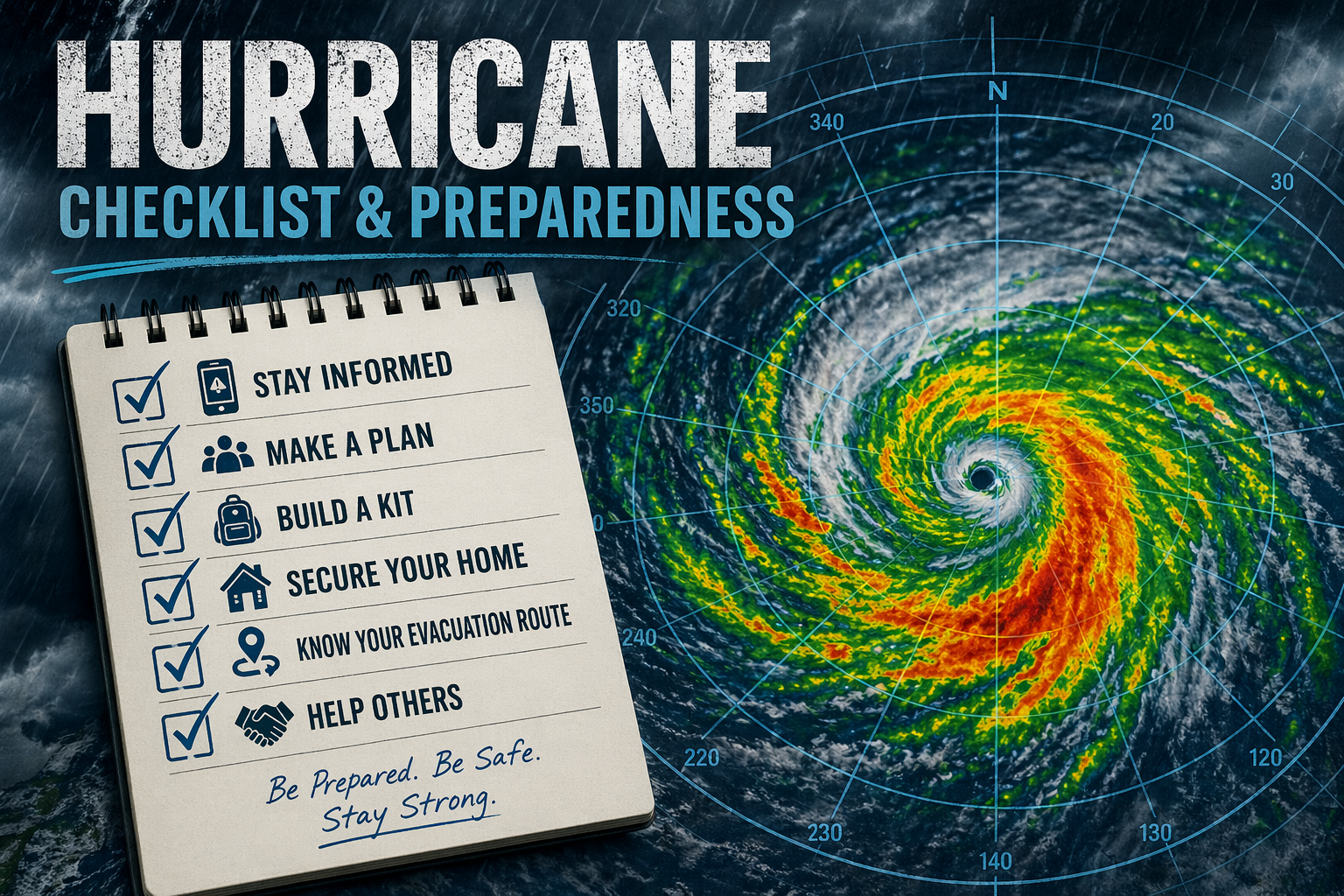
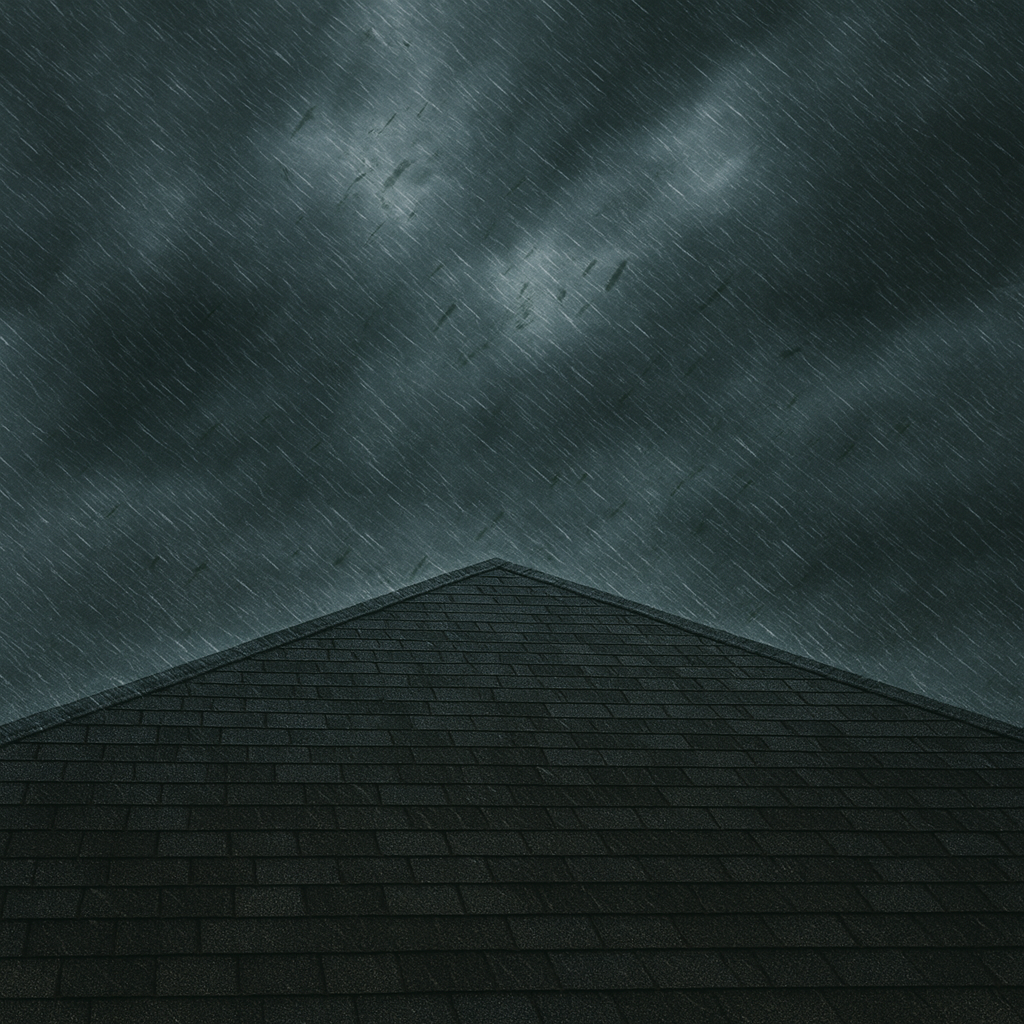
Many homeowners ask, "how long should a roof last in Florida?" The answer is often shorter than you might think. Our climate is unique. The sun beats down almost every day, and those UV rays slowly break down roofing materials. Then there's the humidity, which can lead to mold and mildew growth, especially in shaded areas. And let's not forget hurricane season, bringing strong winds and heavy rains that test even the toughest roofs. All these factors combine to reduce the average roof life in Florida compared to cooler, drier parts of the country. Understanding these challenges is the first step to making smart choices for your home in Orlando.
Asphalt Shingles: The Most Common Choice
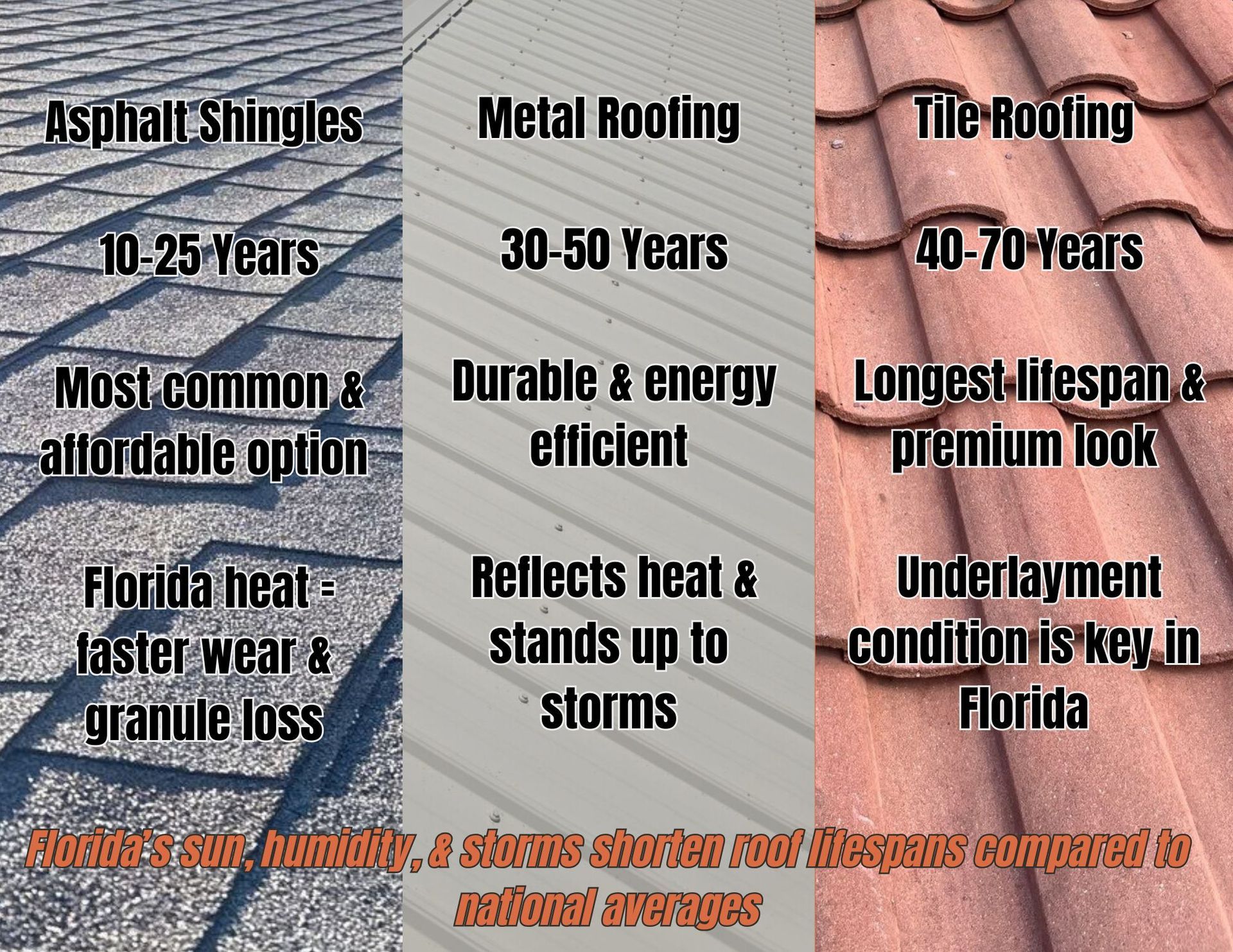
Asphalt shingles are popular because they are affordable and look good. Nationally, they might last 20-30 years. But when we talk about Florida roof lifespan, especially in places like Orlando, that number drops. For standard 3-tab asphalt shingles, you might get 10-15 years. Architectural or dimensional shingles, which are thicker and more durable, can last 15-25 years here. The intense heat causes the granules on the shingles to wear off faster, exposing the asphalt to the sun. This makes them brittle and prone to cracking. High humidity can also encourage algae and moss growth, which can trap moisture and further degrade the shingles. Regular cleaning and maintenance can help extend their life, but eventually, the Florida sun wins.
Extending the Life of Your Asphalt Shingle Roof
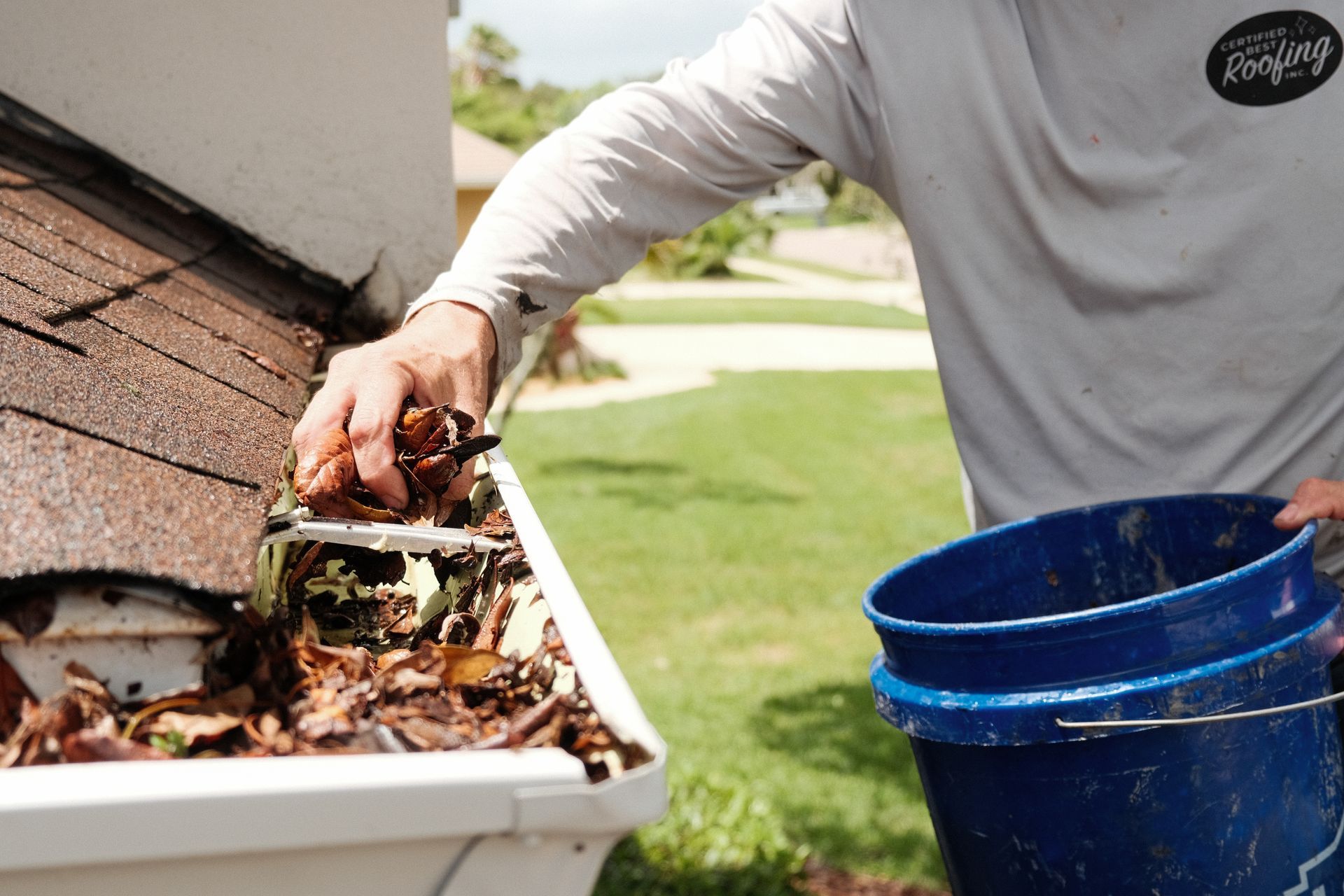
Even with Florida's tough climate, there are ways to get the most out of your asphalt shingle roof. Regular inspections are key. After a big storm, or at least once a year, have a professional check for damaged or missing shingles. Keep your gutters clean to prevent water from backing up and sitting on your roof. Trim tree branches that hang over your roof to reduce debris and prevent rubbing, which can wear down shingles. Consider reflective coatings if your shingles allow it, as these can help bounce some of the sun's rays away, keeping your roof cooler. These steps can add precious years to your roof's life in Orlando.
Metal Roofing: A Durable Investment
Metal roofs are known for their strength and longevity. Nationally, they can last 40-70 years. In Florida, metal roofing still offers an excellent lifespan, often 30-50 years or even more, depending on the type and coating. Materials like aluminum, steel, and copper stand up well to our harsh sun and heavy rains. They are highly resistant to wind damage, which is a huge plus during hurricane season. Metal roofs also reflect more solar radiation than asphalt, which can help keep your home cooler and reduce energy bills. While the upfront cost is higher, the long Florida roof lifespan and energy savings often make it a worthwhile investment for Orlando homeowners.
Types of Metal Roofing and Their Lifespan in Florida
Not all metal roofs are created equal. Standing seam metal roofs, with their hidden fasteners and interlocking panels, tend to last longer than screw-down panel systems. The type of paint finish also matters greatly. Kynar 500® or Hylar 5000® coatings are designed to resist fading and chalking, crucial for maintaining the roof's protective qualities under intense UV exposure. While a metal roof is a significant investment, its durability and low maintenance needs often make it a smart choice for those asking how long should a roof last in Florida.
Tile Roofing: Classic Beauty and Resilience
Tile roofs, whether concrete or clay, offer a classic look and exceptional durability. Nationally, they can last 50-100 years or even longer. In Florida, tile roofs are a fantastic option for longevity, often lasting 40-70 years. They are naturally resistant to rot, insects, and fire. The heavy nature of tiles makes them very resistant to high winds, a big advantage in our storm-prone state. They also provide excellent insulation, helping to keep your home cooler. While the tiles themselves are very durable, the underlayment beneath them is crucial and can be the limiting factor for their lifespan in our humid climate. Proper installation and a high-quality underlayment are essential for maximizing the Florida roof lifespan of a tile roof.
Maintaining Your Tile Roof in Orlando
Even though tiles are tough, maintenance is still important. Periodically check for cracked or broken tiles, especially after strong winds. While the tiles themselves don't absorb much water, debris can build up between them, trapping moisture and leading to issues with the underlayment. Regular cleaning to remove leaves, dirt, and any moss or algae growth will help. If you're considering a tile roof for your Orlando home, make sure to work with a contractor who specializes in tile installation to ensure the underlayment is installed correctly for our climate.
The Underlayment: An Unsung Hero
No matter what type of roofing material you choose, the underlayment plays a vital role in its overall lifespan, especially in Florida. This layer, installed directly over your roof deck, provides an extra barrier against water intrusion. In our humid climate, a high-quality, water-resistant underlayment is critical. Synthetic underlayments are often preferred over traditional felt paper because they are more durable, resist tearing, and are less prone to mold and mildew. A failing underlayment can lead to leaks, even if your top layer of shingles or tiles looks fine. Always ensure your roofing contractor uses a premium underlayment designed for Florida's climate.
When to Consider a Roof Replacement
Knowing how long a roof should last in Florida helps you plan, but sometimes a roof needs replacing sooner. Look for signs like widespread missing or cracked shingles, a sagging roofline, water stains on your ceiling, or granules collecting in your gutters. If your roof is nearing the end of its expected Florida roof lifespan, or if you've had multiple small repairs, it might be more cost-effective in the long run to get a full replacement. Certified Best Roofing can provide a thorough inspection and honest advice on the best path forward for your home.
Conclusion: Protecting Your Orlando Home
Understanding the reality of roof lifespans in Florida is crucial for any homeowner in Orlando. While national averages offer a starting point, our unique climate demands a more specific approach. Asphalt shingles, metal, and tile all have different expected lifespans under our intense sun and humidity. By choosing the right materials, investing in quality installation, and performing regular maintenance, you can maximize your roof's life and protect your home for years to come. Don't let Florida's weather catch you off guard – be proactive about your roof's health.
Q: What is the average lifespan of a roof in Florida?
A: The average lifespan of a roof in Florida is generally shorter than the national average due to intense UV rays, high humidity, and frequent storms. Asphalt shingle roofs might last 10-25 years, metal roofs 30-50 years, and tile roofs 40-70 years, depending on the specific material and maintenance.
Q: Does Florida's weather really shorten a roof's life?
A: Yes, absolutely. Florida's intense sun causes materials to break down faster, humidity can lead to mold and mildew, and strong winds from storms put immense stress on roofing systems. These factors significantly reduce how long a roof should last in Florida compared to other regions.
Q: How can I make my asphalt shingle roof last longer in Orlando?
A: To extend the life of your asphalt shingle roof in Orlando, ensure regular professional inspections, keep gutters clean, trim overhanging tree branches, and consider reflective coatings if suitable. These steps help combat the harsh Florida climate.
Q: Is a metal roof a good investment for a Florida home?
A: Yes, a metal roof is often an excellent investment for a Florida home. While the upfront cost is higher, its superior durability, resistance to wind and sun, and potential for energy savings can lead to a longer Florida roof lifespan and lower overall costs over time.
Q: What's the most durable roofing material for Florida's climate?
A: Tile roofing (concrete or clay) and metal roofing are generally considered the most durable options for Florida's climate. They offer superior resistance to UV rays, high winds, and moisture, leading to the longest Florida roof lifespan among common materials.