The Ultimate Florida Storm Season Roof Readiness Checklist for Central Florida Homes
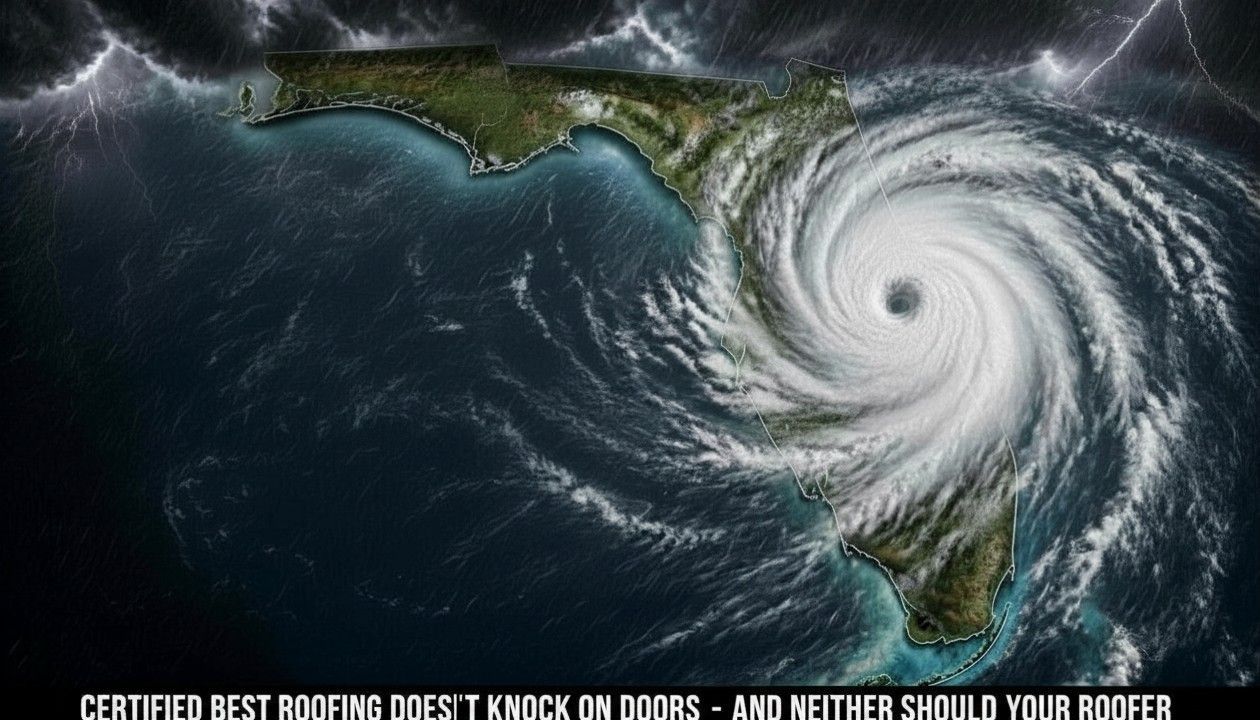
Florida storm season is a big deal, especially for folks living in Central Florida. When June 1st rolls around, it's not just the start of summer fun; it's also the official beginning of hurricane season. Preparing your home, especially your roof, is super important. You might be asking, "How do I prepare my Florida roof for hurricane season?" Well, you're in the right place! This checklist will walk you through everything you need to know to get your roof ready and help protect your home from those strong winds and heavy rains. A little bit of work now can save you a lot of headaches and money later.
Your roof is your home's first line of defense against the fierce weather we see here in Florida. High winds, torrential downpours, and even hail can cause serious damage if your roof isn't up to snuff. That's why we at Certified Best Roofing want to make sure you have all the information you need to make smart choices. This guide is designed to be easy to understand, so you can tackle these tasks with confidence.
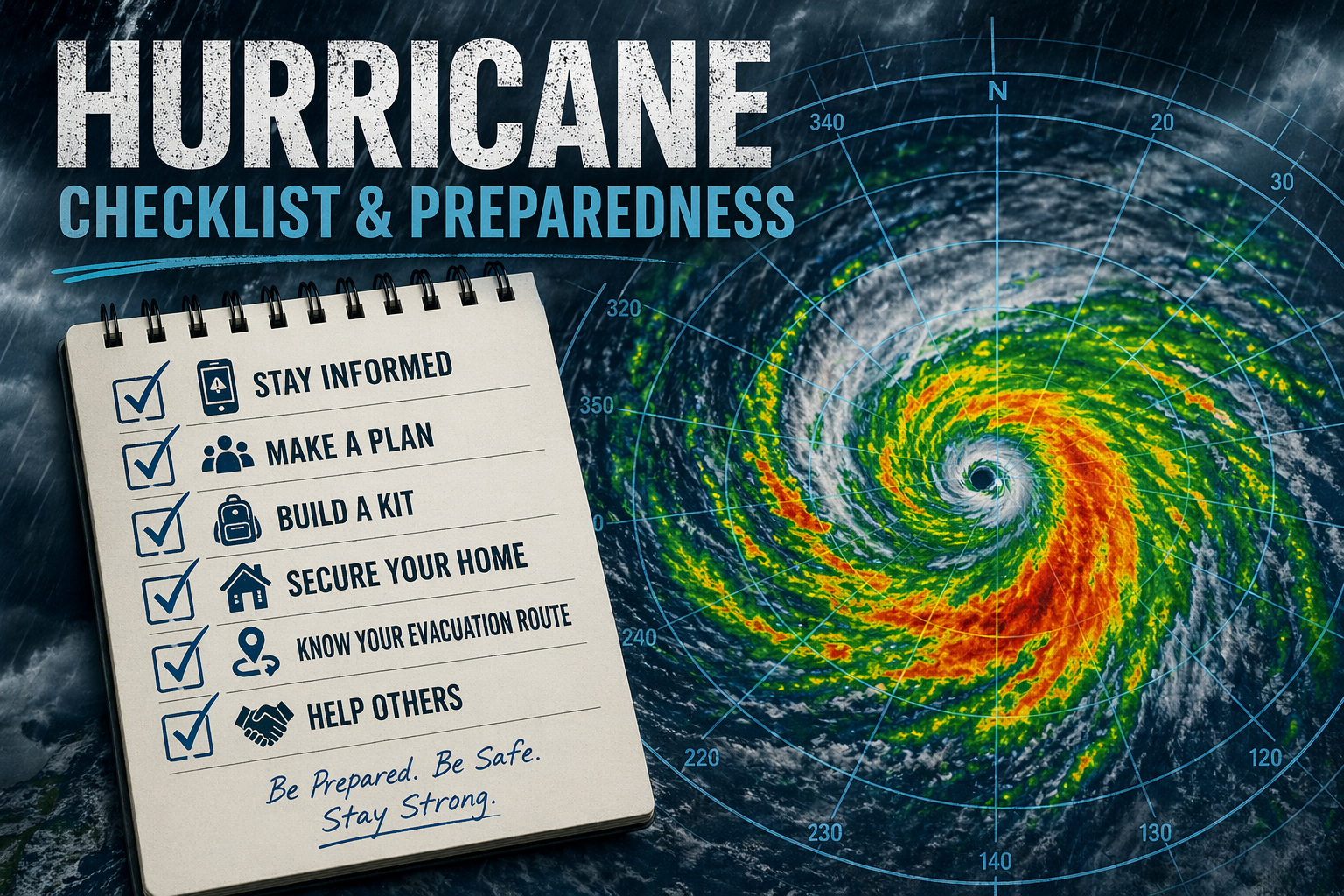
Why Roof Preparation Matters Before Florida Storm Season
Think about it: your roof takes a beating all year long from the sun, rain, and occasional strong gusts. When a tropical storm or hurricane comes barreling through, any small problem can become a huge one. A loose shingle might seem minor, but in 100 mph winds, it can tear off, leaving your home open to water damage. Water inside your home can lead to mold, ruined ceilings, and damaged belongings. Nobody wants that!
Getting your roof ready means you're not just protecting your house; you're protecting your family and your peace of mind. It’s about being proactive instead of reactive. Instead of waiting for a leak to appear during a storm, you're fixing potential issues beforehand. This is a crucial step for every Central Florida homeowner.
Your Step-by-Step Roof Inspection Checklist
Before June 1st, set aside some time on a clear, calm day to give your roof a good look. You can do some of these steps yourself from the ground with binoculars, but for a closer look or if you're uncomfortable on a ladder, it's always best to call a professional like Certified Best Roofing. Safety first!
1. Check for Loose, Cracked, or Missing Shingles
This is one of the most important steps. Shingles are like the armor of your roof. If they're not in good shape, your roof is vulnerable. Stand back and look at your roof. Do you see any shingles that are curled up, cracked, or look like they're lifting? Are there any spots where shingles are completely gone? High winds love to exploit these weak points. Even small cracks can let water seep in.
What to look for: Shingles that are not lying flat, pieces of shingle on the ground, or areas where the shingle granules (the gritty stuff) have worn off, exposing the black asphalt underneath.
Why it matters: Loose shingles are easily ripped off by strong winds, creating openings for water. Missing shingles are an open invitation for leaks.
2. Clear Your Gutters and Downspouts
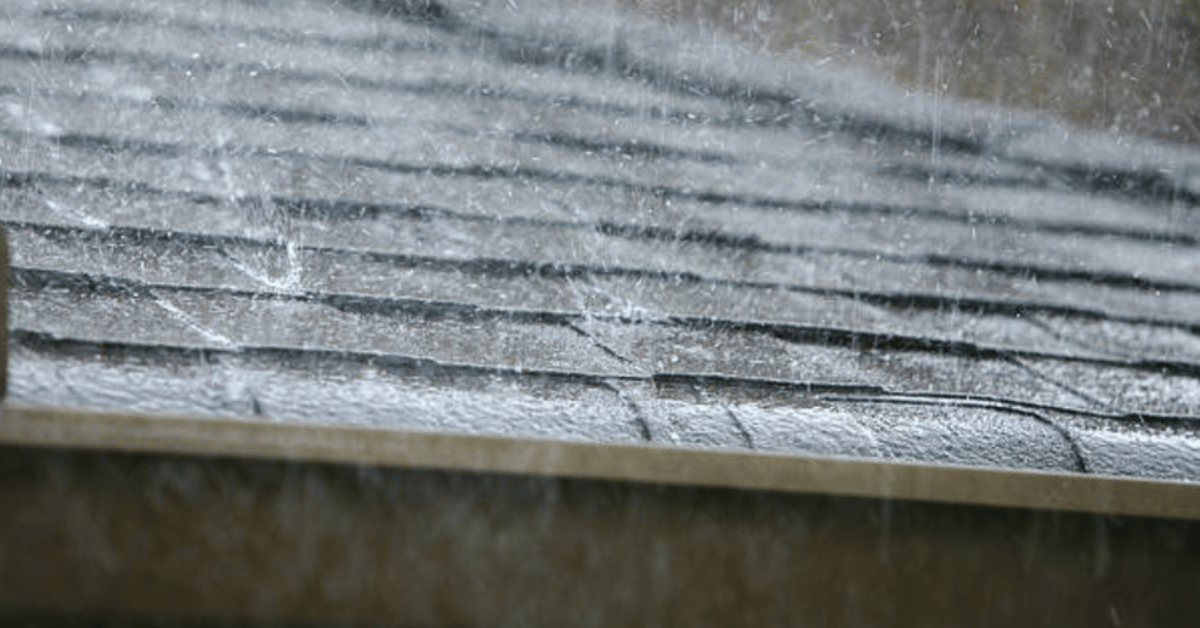
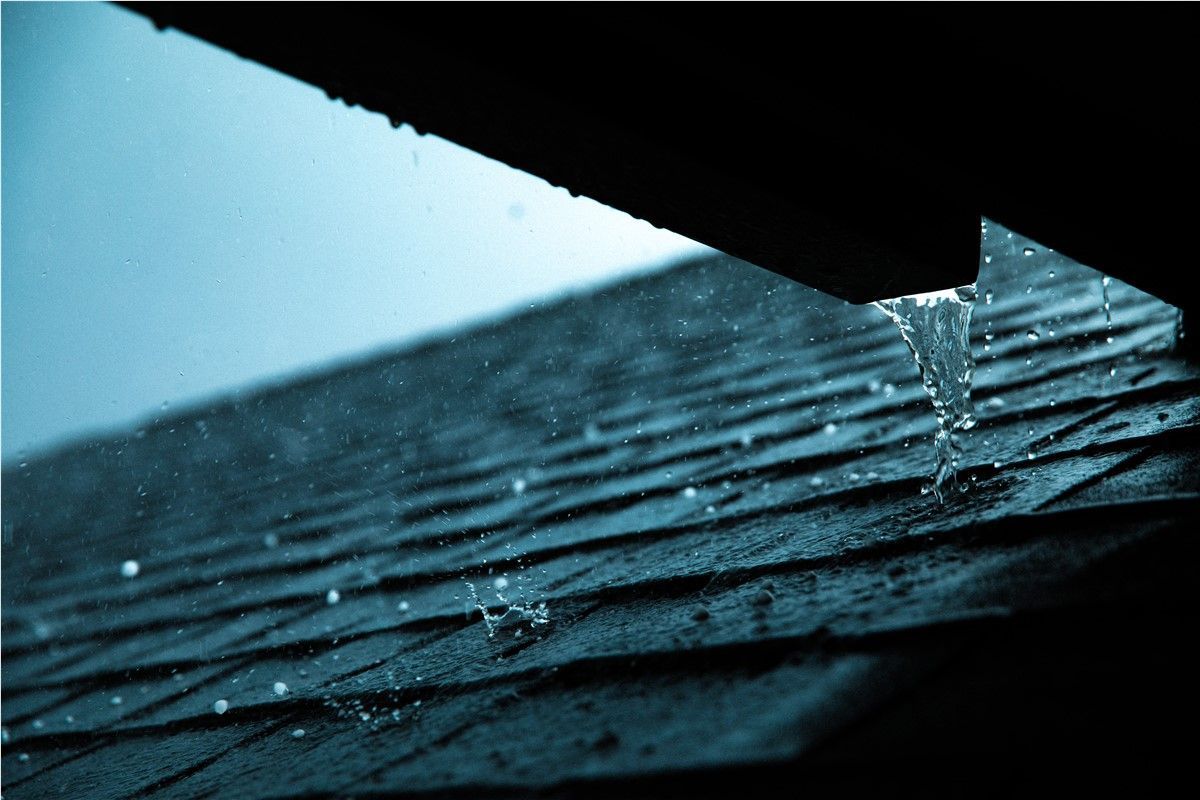
Gutters and downspouts are there to guide rainwater away from your roof and foundation. If they're clogged with leaves, twigs, or other debris, they can't do their job. Water will back up, sit on your roof, and potentially overflow, causing damage to your fascia boards, soffits, and even your home's foundation.
What to look for:
Overflowing gutters during a light rain, visible debris sticking out of gutters, or water stains on the side of your house below the gutters.
Why it matters: Clogged gutters can lead to water pooling on your roof, which can rot wood and cause leaks. They can also become heavy and pull away from your house during a storm.
3. Inspect Flashing Around Chimneys, Vents, and Skylights
Flashing is the metal material used to seal the areas where your roof meets other structures, like chimneys, vents, pipes, and skylights. These are common spots for leaks because they are breaks in the continuous surface of your roof. Over time, flashing can rust, crack, or come loose.
What to look for:
Rust spots, cracks in the sealant around the flashing, or flashing that appears bent or pulled away from the structure.
Why it matters: Damaged flashing creates direct entry points for water, leading to leaks around these critical areas.
4. Look for Sagging or Soft Spots on Your Roof Deck
From the ground, try to spot any areas of your roof that look like they're dipping or sagging. This could be a sign of water damage to the underlying roof deck or structure. If you're able to safely access your attic, look for water stains or soft spots on the underside of the roof sheathing.
What to look for: Visible dips or unevenness on the roof surface. In the attic, look for dark stains, mold, or a musty smell.
Why it matters: Sagging indicates structural damage, which can weaken your roof's ability to withstand high winds and heavy loads during a storm.
5. Trim Overhanging Branches
This isn't directly about your roof's structure, but it's a huge factor in roof protection during a storm. Trees with branches hanging over your roof can become a major hazard. High winds can snap branches, sending them crashing onto your roof, causing punctures or even structural damage. Even smaller branches constantly scraping against your roof can wear down shingles over time.
What to look for: Branches that are touching or very close to your roof, or dead branches that could easily break off.
Why it matters: Falling branches are a leading cause of roof damage during hurricanes and tropical storms. Trimming them back is a simple way to prevent costly repairs.
Identifying Weak Points High Winds Exploit
High winds are notorious for finding the weakest spots on a roof. Here in Central Florida, we know just how powerful these winds can be. Beyond loose shingles, here are a few other areas to pay close attention to for hurricane proof roofing:
Gable Ends: These are the triangular sections of wall at the end of a pitched roof. They can be particularly vulnerable to wind uplift if not properly braced.
Roof Edges and Corners: Wind tends to get under the edges and corners of a roof, trying to peel it back like the lid of a can. Ensuring your drip edge is secure and your shingles are properly adhered at these points is key.
Attic Ventilation: While important for air circulation, poorly installed or damaged attic vents can become entry points for wind-driven rain. Make sure they are secure and free of cracks.
If you find any of these issues, don't delay! Contact Certified Best Roofing for a professional inspection and repairs. Getting these fixed now is part of smart Florida storm season roof preparation.
What to Do If You Find Damage
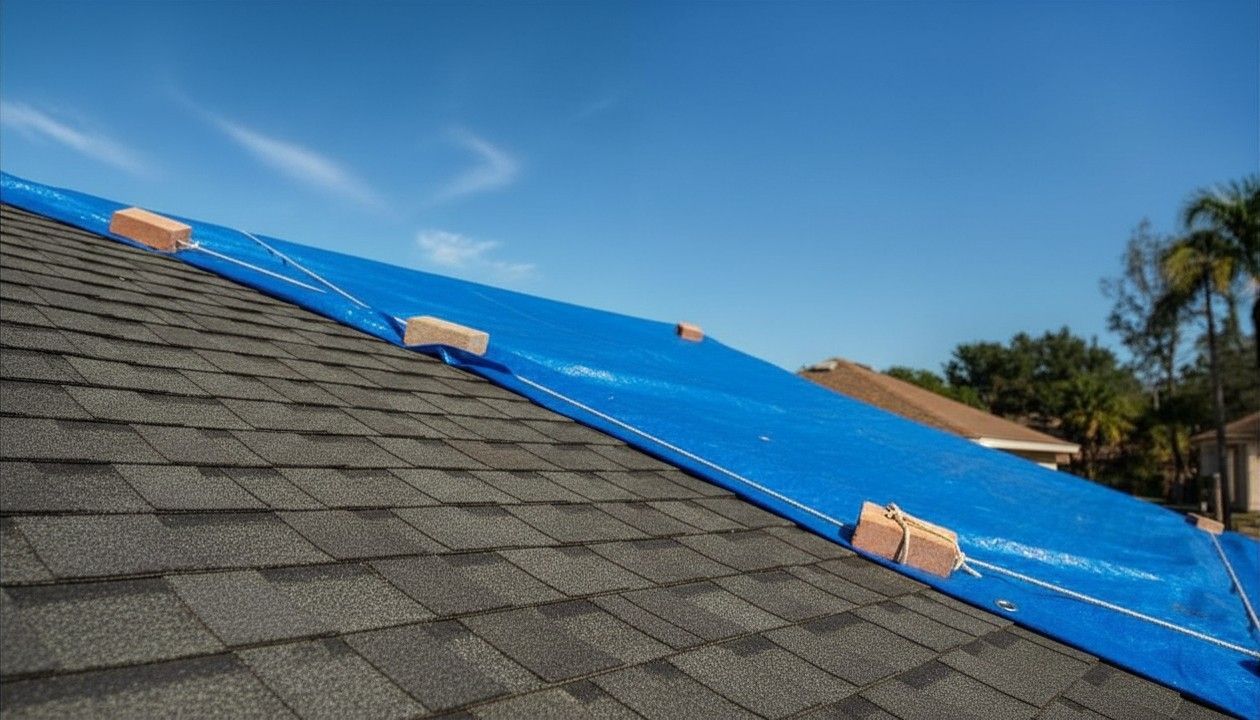
If your inspection reveals any issues – big or small – it's time to call in the experts. Certified Best Roofing specializes in hurricane proof roofing and storm damage repair for Central Florida homes. We can provide a thorough inspection, identify all problem areas, and recommend the best solutions to secure your roof before the storms hit. Don't try to make major repairs yourself, especially if it involves climbing on a steep or damaged roof. Leave it to the professionals who have the right equipment and experience.
Remember, the goal is to reinforce your roof against the extreme conditions of Florida storm season. Early detection and repair are your best defense. We're here to help make sure your roof is ready for whatever Mother Nature throws our way.
Q: How often should I inspect my roof before hurricane season?
A: It's best to do a thorough inspection at least once a year, ideally in late spring before June 1st. After any major storm, even outside hurricane season, it's also a good idea to quickly check for new damage.
Q: Can I do all the roof preparation myself?
A: You can certainly perform a visual inspection from the ground and clear your gutters. However, for climbing on the roof, detailed shingle checks, or any repairs, it's highly recommended to hire a professional roofing contractor for safety and proper execution.
Q: What are the signs of a weak roof that needs professional attention?
A: Signs include widespread missing or curled shingles, significant granule loss, soft spots on the roof deck, persistent leaks, or flashing that is clearly deteriorated. If you see any of these, call a professional immediately.
Q: How can I make my roof more hurricane-resistant?
A: Beyond regular maintenance, consider upgrading to hurricane-rated shingles, adding secondary water barriers, or improving roof-to-wall connections. A professional roofer can assess your current roof and suggest specific hurricane proof roofing upgrades.
Q: Is it too late to prepare my roof if storm season has already started?
A: While it's best to prepare before June 1st, it's never too late to take steps to protect your home. Even if a storm is approaching, securing loose items and clearing gutters can still help. For major repairs, act quickly during any lull in storm activity.
Don't let Florida storm season catch you off guard. Take action now to protect your Central Florida home. For a professional roof inspection or any hurricane proof roofing needs, contact Certified Best Roofing today. We're here to ensure your roof is ready!