Controversy Corner: Debunking Roofing Scams in Florida
When you think of Florida, you probably imagine sunshine, beaches, and warm weather. However, the same climate that draws many people to the state can also bring harsh storms and hurricanes. This creates a booming market for roofing work—and, unfortunately, an opening for scammers. In this blog, we’re going to explore how roofing scams happen in Florida, why they’re so common, and what you can do to protect yourself and your home. We’ll break down the types of scams you might see, show you red flags to look out for, and give you practical tips to avoid becoming a victim.
1. Why Roofing Scams Are So Common in Florida
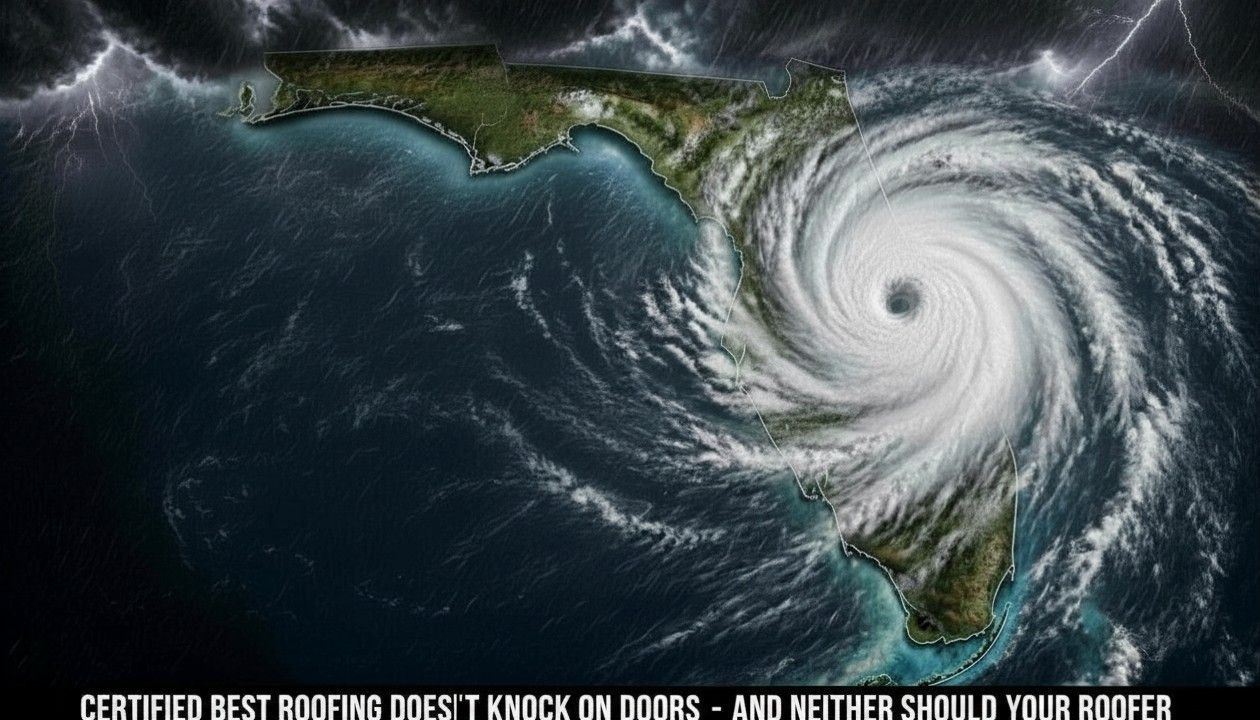
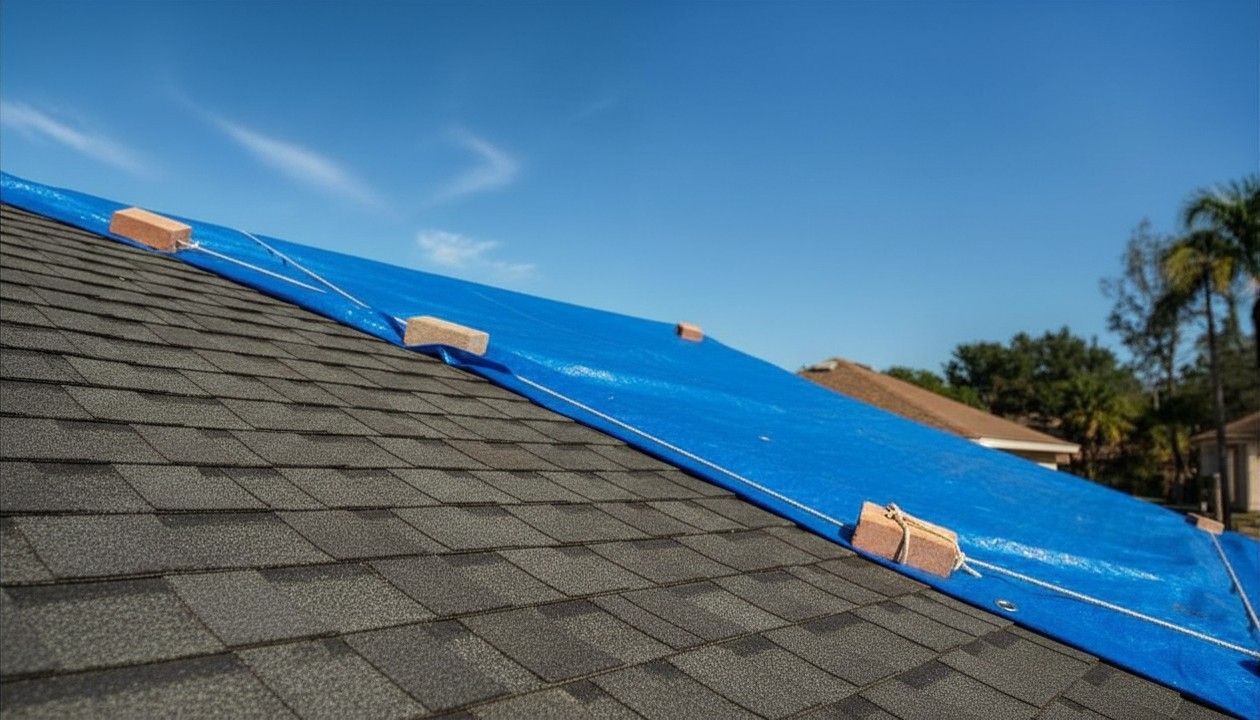
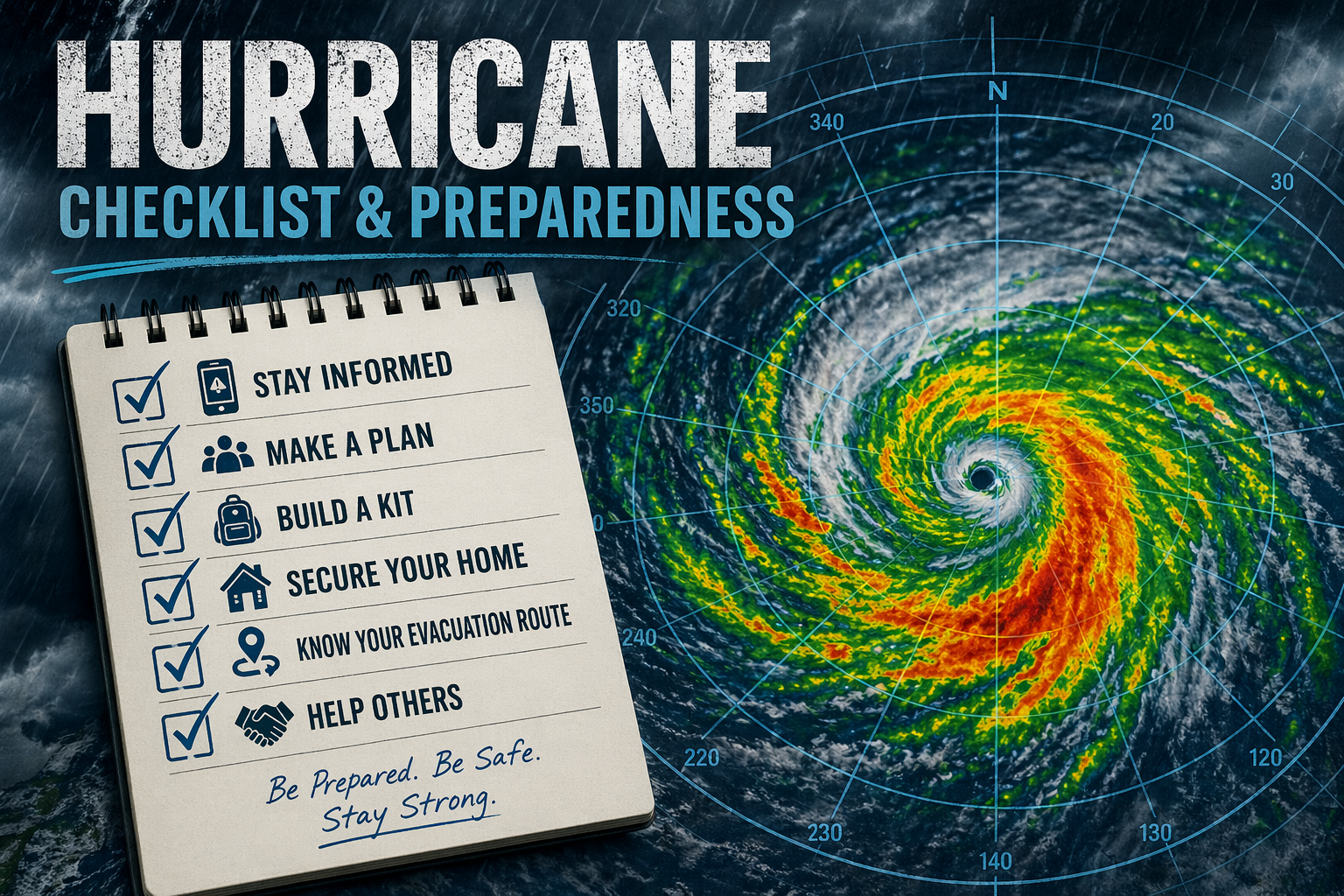
Florida’s mix of sunny days and severe storms can be rough on roofs. High winds, rain, and hurricane conditions mean roofs need regular maintenance and repairs. When storm season hits, it’s not unusual to see roofers driving around offering to fix leaks or replace damaged shingles. While many of these people are honest professionals, some are looking to take advantage of homeowners in stressful situations.
In addition, Florida’s large population of retirees and snowbirds (seasonal residents) can make it a prime target for scammers. Older homeowners may be more trusting or less aware of new scams, while part-time residents might not be around year-round to check on the condition of their roofs. Scammers often look for these gaps in oversight. That’s why knowing the common warning signs of a roofing scam can save you money and headaches.
2. The Rise of “Storm Chasers”
One of the biggest threats Florida homeowners face is the “storm chaser.” These are traveling roofing teams who show up in neighborhoods right after a big storm, looking for quick jobs. They’ll knock on doors, point out damage (real or fake), and promise fast fixes. In some cases, they’ll even say they can get you a new roof for free by working directly with your insurance company. It might sound like a sweet deal, but all too often, these contractors skip town once they’ve collected their fees or left subpar work behind.
Because they move around so much, storm chasers aren’t invested in building a good reputation in any one community. This means they might not follow local building codes, nor will they always have proper licenses or insurance. In many cases, homeowners only discover problems months later—after these “roofers” are long gone. The best way to avoid storm chasers is to do your homework and hire local, established contractors who have a proven track record in your area.
3. Common Types of Roofing Scams
There are several common roofing scams you should be aware of:
- Free Roof Offers: A contractor might say they can replace your roof at no cost to you by filing a claim with your insurance. Be very cautious. If the roofer inflates damage claims or files false reports, you could end up in legal trouble.
- High-Pressure Sales Tactics: Scammers will often try to push you into a quick decision by saying the “special offer” ends soon, or there’s only a small window of time to fix your roof. Honest contractors will give you time to think and compare quotes.
- Upfront Payment Demands: Some scammers ask for a large deposit or even full payment before any work begins. Legitimate roofers typically ask for a reasonable down payment, but never the full amount upfront. Once they have all your money, dishonest contractors might disappear or do a poor job.
- Low-Ball Estimates: A contractor may bid far below other quotes to win your business. Then they’ll either do shoddy work or hit you with hidden fees later.
4. Red Flags to Watch Out For
No one wants to be tricked out of thousands of dollars or end up with a leaky roof. By learning to spot certain red flags, you can protect yourself:
- Lack of License and Insurance: Florida law requires roofers to have specific licenses. Always check a roofer’s license online and ask for proof of liability insurance and workers’ compensation. If they dodge these requests or say it’s “not necessary,” that’s a big warning sign.
- No Written Contract: Any legitimate roofing job should come with a clear contract that outlines the scope of work, materials, timeline, and payment terms. If the roofer is reluctant to provide a detailed, written agreement, consider it suspicious.
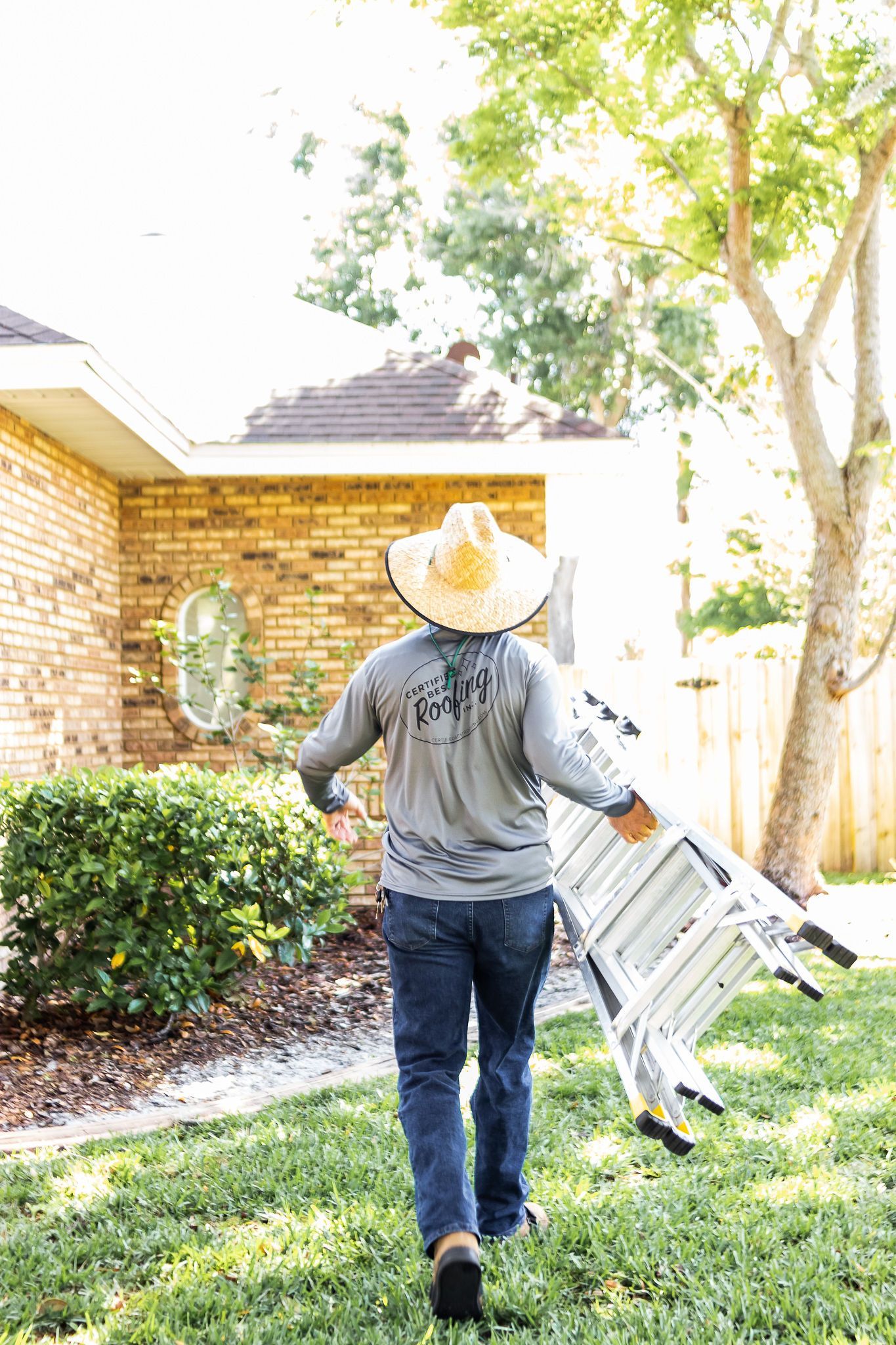
- Unmarked Vehicles or No Physical Address: A reputable contractor usually has a sign on their truck or van, along with a listed address you can verify. If someone shows up at your door in an unmarked vehicle or refuses to give you a business address, be wary.
- Door-to-Door Solicitation After a Storm: While local roofers sometimes canvass neighborhoods, be extra careful if a stranger shows up right after a storm, especially if they seem too eager. Ask for references from local customers.
5. Understanding Florida’s Roofing Regulations
Florida’s construction industry is regulated to protect consumers, but scammers still find loopholes. The state requires all roofing contractors to hold a license through the Florida Department of Business & Professional Regulation. This license ensures that contractors meet certain standards and follow building codes. Additionally, roofers must carry insurance. If they don’t, you could be at risk if an accident happens on your property.
You can check if a roofing contractor has a valid license by visiting the Florida DBPR’s website and searching by name or license number. You can also find out if they’ve been disciplined for any violations. Remember, a piece of paper with a license number on it doesn’t prove anything unless you verify it online. Scammers sometimes use fake numbers to look legitimate.
6. How to Protect Yourself
Protecting yourself starts with doing some homework. Ask friends, family, and neighbors if they have any recommendations. Check online reviews, but also be cautious—some might be fake. When you find a potential roofer, request references from past clients who live nearby. Then, call those references to ask about their experience.
Don’t rely on a single quote. Contact several companies and get estimates in writing. While you don’t want to choose someone outrageously expensive, you also don’t want to pick a quote that is suspiciously low. A detailed written estimate should list the materials used, labor costs, and any warranties offered. If you have questions or concerns, the contractor should be happy to explain them. Never let anyone pressure you into signing a contract right away.
7. The Insurance Angle
Roof scams often involve homeowners’ insurance. Sometimes, a scammer will claim they can get your insurance company to pay for the entire roof replacement. They might even say they’ll pay your deductible, which is illegal. If a roofer files a false claim or encourages you to do so, you could be on the hook for insurance fraud. That’s a crime with serious penalties.
When dealing with insurance, it’s best to follow the proper steps. First, call your insurance company and inform them of any damage. They may send an adjuster to inspect your roof. You can also hire an independent contractor for a second opinion. Make sure everyone is on the same page about the extent of the damage and the cost of repairs or replacement. If a contractor tries to handle all communication with your insurance, make sure you’re looped into the process. This is your home, and you should be involved in every step.
8. Storm Chasers vs. Local Roofers
We mentioned storm chasers earlier, but let’s dig a little deeper into why using a local roofer is almost always a better choice. Local contractors have a reputation to protect in the community. They want satisfied customers who will recommend them to friends and neighbors. If something goes wrong after a repair or installation, they’re close by and can come back to fix it. Storm chasers, on the other hand, pack up and leave once they’ve finished a few quick jobs.
Local roofers often know the local climate, building codes, and common roofing issues in your area. They also tend to have working relationships with local suppliers, meaning they’re more likely to get materials on time and handle any problems quickly. So if a contractor with an out-of-state license shows up at your door after a hurricane, take a step back and rethink.
9. Understanding Material and Labor Warranties
Roofing work typically comes with two types of warranties: one from the manufacturer of the materials, and one from the contractor covering labor. Scammers might make big promises about a “lifetime warranty,” but if they’re not around to honor it, that warranty is meaningless.
When you’re getting an estimate, ask about both material warranties and labor warranties. The length can vary depending on the type of roofing. Make sure you get these warranties in writing. If the contractor says they provide the warranty, confirm whether they are an authorized installer for the product you’re purchasing. Sometimes, the manufacturer’s warranty is only valid if the contractor is certified by that company.
10. What to Do If You Think You’ve Been Scammed
If you suspect you’ve fallen victim to a roofing scam, don’t blame yourself. Scammers can be very persuasive. Your first step is to gather all the paperwork and proof of payments you have—contracts, checks, receipts, and correspondence. Document all interactions in writing if you can remember details. Then, contact local law enforcement or the consumer protection division of Florida’s Attorney General office. They can guide you on the next steps.
You can also file a complaint with the Florida Department of Business & Professional Regulation if the contractor was licensed. If they weren’t licensed, that’s yet another issue to bring up with the authorities. Getting legal advice can also be smart, especially if you’ve lost a lot of money or your home has major damage.
11. Public Adjusters and Roofing Claims
Some scammers team up with rogue public adjusters or unlicensed individuals who act like they can handle insurance claims on your behalf. A legitimate public adjuster must be licensed by the state. If someone is advising you about your insurance claim, make sure to check their credentials. Be cautious if anyone promises a big payout from your insurance without ever inspecting your roof in detail.
Remember, a public adjuster represents you, not the roofing company. They shouldn’t push you to use a specific roofer. Their role is to help you get a fair settlement from your insurance company, not to steer you toward suspicious contractors.
12. Working with Trustworthy Professionals
The best defense against roofing scams is a good offense. Seek out reputable contractors with strong local reputations. Look for membership in trade associations, like the Florida Roofing and Sheet Metal Contractors Association (FRSA), which can be a sign of professional standing. Ask about certifications, references, and how long they’ve been in business.
Once you find a professional you can trust, hold onto that relationship. Annual or semi-annual inspections by a roofer you know and respect can help you catch minor issues before they become big problems. It also means that when a storm does hit, you have someone reliable to call—no need to answer the door for random roofers who promise the world.
13. Conclusion
Roofing scams in Florida are more common than many people realize, and they can cost homeowners thousands of dollars. From storm chasers who show up after hurricanes to shady contractors who demand full payment upfront, there are plenty of ways to get ripped off if you’re not careful. But by knowing the warning signs, verifying licenses and insurance, and working with respected local contractors, you can avoid becoming another victim.
Remember, a legitimate roofer will be happy to answer your questions, provide references, and give a detailed contract. They won’t pressure you into a quick decision or try to file fraudulent claims with your insurance. By staying informed and proactive, you can protect your home and your wallet. If you ever have doubts about a roofing proposal, trust your instincts, do more research, and don’t sign anything until you’re comfortable. Your roof is one of your home’s most important defenses against the elements—don’t let a scammer put it at risk.
Ready to safeguard your home from roofing scams? Contact us today for a free, no-obligation inspection. Let our trusted local experts give you peace of mind and ensure your roof is in top shape—no tricks, just honest, professional service.