Thermal Shock: Why Florida’s Afternoon Rain Cycles Are Cracking Your Shingles
Living in Central Florida, you know the summer routine: bright sun, soaring heat, and then, like clockwork, the afternoon thunderstorm. But did you know this daily cycle could be silently damaging your roof? This phenomenon is called thermal shock.
So, what is thermal shock on a Florida roof? It’s the stress your roofing shingles endure when they go from a blistering 150 degrees under the sun to being suddenly drenched by cool rainwater, causing a rapid temperature drop. This drastic change makes the shingle materials expand and contract violently. Over time, this repeated stress, a major cause of
Florida roof stress, leads to tiny cracks, granule loss, and eventually, premature roof failure. It’s a hidden danger that can take years off your roof’s life, leading to unexpected and expensive repairs down the road. Learn more about our roof inspection services.
The Science Behind Florida Roof Stress and Thermal Shock
To understand Florida roof stress, think about a rubber band. If you stretch it once, it snaps back. But if you stretch it and relax it thousands of times, it becomes weak and brittle. Your shingles go through a similar process every summer day in Central Florida. In the blazing afternoon sun, your roof can easily reach 150°F or more. The materials in your shingles, like asphalt and fiberglass, expand in this intense heat.
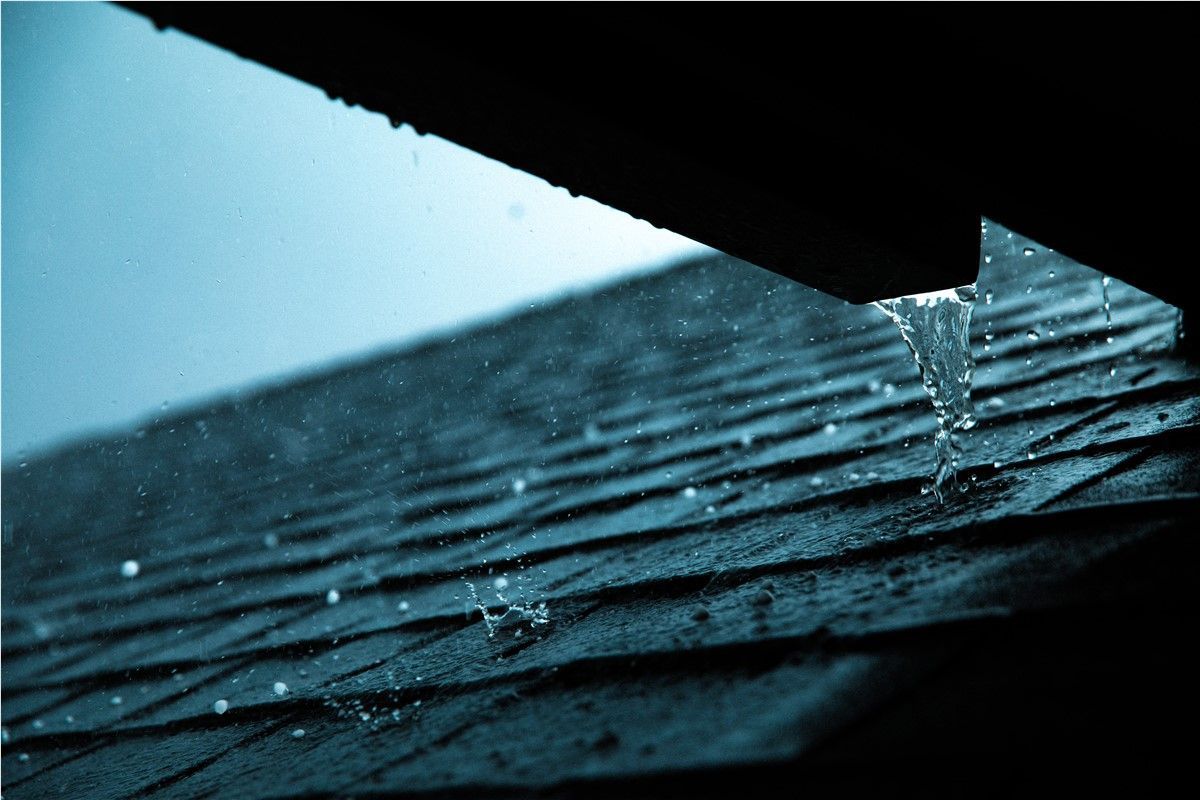
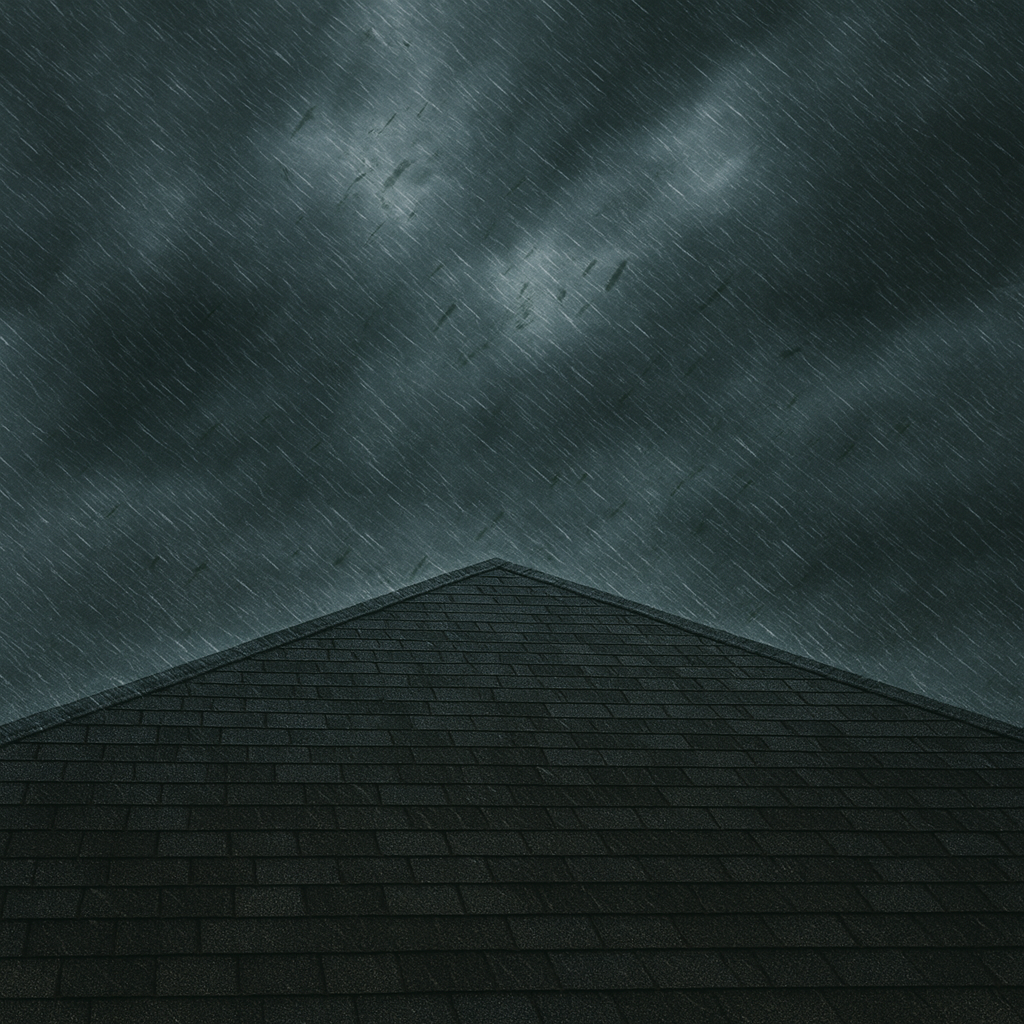
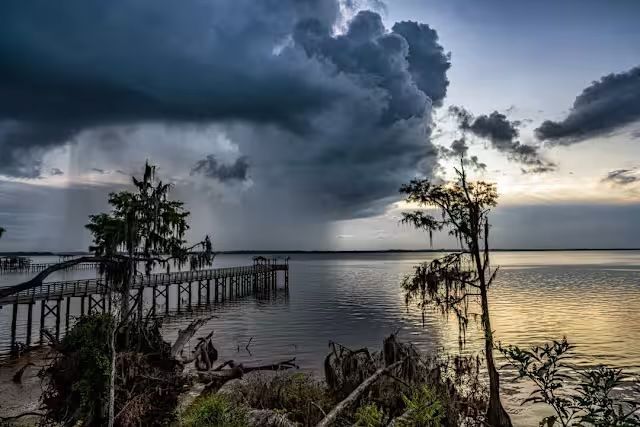
Then, the clouds roll in. A sudden downpour of cool rain hits your roof, and its surface temperature can plummet by 50 degrees or more in just a few minutes. This rapid cooling forces the shingle materials to contract quickly. This violent cycle of expansion and contraction is thermal shock. Each time it happens, it creates a tiny amount of stress. On its own, one storm isn't a problem. But our daily Central Florida rain cycles mean this happens over and over again. This repeated stress weakens the shingle's internal structure, much like bending a paperclip back and forth. Eventually, the material’s flexibility gives out, and the first hairline cracks begin to form, starting a slow but steady path toward failure. Find out about our durable roofing options.
How to Spot Early Signs of Shingle Cracking
Catching damage from thermal shock early is the key to preventing expensive repairs. The initial signs can be subtle, so it’s important to know what you’re looking for. The most direct sign is, of course, shingle cracking. These aren't usually large, obvious cracks, at least not at first. They often appear as fine, hairline fractures on the surface of the shingles. You might need binoculars to safely inspect your roof from the ground to see them.
Another major red flag is granule loss. Those sand-like granules on your shingles aren't just for color; they are a crucial layer of protection against the sun's UV rays. Thermal shock can weaken the bond between the granules and the asphalt layer. Check your gutters and the areas around your downspouts for an accumulation of these granules. If you see a lot of them, it’s a sign your shingles are aging prematurely. As more granules fall off, you may begin to see “bald” spots on your roof, exposing the dark asphalt layer underneath. Also, look for shingles that appear to be curling at the edges or buckling in the middle. This indicates that the shingle is shrinking and losing its stability, another direct result of repeated stress.
The Cumulative Damage: From Tiny Cracks to Major Leaks
A few tiny cracks from thermal shock might not seem like a big deal, but they are the entry point for much bigger problems. Here in Central Florida, water is relentless. When it rains, water seeps into these hairline cracks, getting beneath the protective granule layer. The immediate danger isn't a sudden leak, but what happens next. The sun comes back out, and the intense heat cooks the trapped water, turning it into vapor. This can create small blisters on the shingle's surface, which pop and cause even more granules to fall off, widening the cracks.
Over many cycles, the cracks grow larger and deeper, eventually allowing water to penetrate the shingle entirely and reach the underlayment. Once the underlayment is compromised, the wooden roof deck is next. This is where serious damage begins. A damp roof deck can lead to wood rot, reducing the structural integrity of your entire roof system. From there, moisture can enter your attic, leading to mold and mildew growth, which poses health risks and can be very expensive to remediate. Finally, you’ll see the evidence inside your home as a brown spot on your ceiling. What started as an invisible crack has now become a major leak, all thanks to the cumulative effect of Florida roof stress.
Protecting Your Central Florida Home from Thermal Shock
While you can't stop the afternoon storms, you can absolutely take steps to defend your roof against thermal shock. The best defense starts with choosing the right materials and ensuring your roof system works as a whole to combat heat.
Choose High-Quality, Flexible Shingles
Not all shingles are created equal. Standard asphalt shingles can become brittle over time. Consider investing in polymer-modified shingles, often called SBS (styrene-butadiene-styrene) shingles. These are essentially asphalt shingles blended with a rubberizing polymer. This gives them greater flexibility and elasticity, allowing them to expand and contract without sustaining damage. They are far more resistant to the shingle cracking caused by rapid temperature changes.
The Importance of Proper Attic Ventilation
A hot attic is a recipe for a hot roof. If your attic is poorly ventilated, heat gets trapped, raising the temperature of your roof deck and the shingles on top of it. A properly ventilated attic allows cool air to enter through soffit vents (under the eaves) and push hot air out through ridge vents (at the peak). This constant airflow can significantly lower the surface temperature of your roof, reducing the severity of the temperature swing when the rain comes. A cooler roof means less expansion, and therefore, less stress during a downpour.
Why a Local Central Florida Roofer is Your Best Defense
When it comes to protecting your home from the unique challenges of our climate, local expertise is everything. A roofer from out of state might install a perfectly good roof by general standards, but they may not fully appreciate the specific, relentless nature of Florida roof stress. A local Central Florida roofer, like the team at Certified Best Roofing, lives here. We see the effects of thermal shock firsthand and have spent years identifying the best materials and installation techniques to combat it.
We know which shingle manufacturers produce products that hold up best against the intense UV exposure and sudden downpours common throughout Central Florida. We understand the critical importance of a balanced ventilation system and how to configure it for our specific humidity and heat levels. Furthermore, we are experts in local building codes, including the stringent requirements for wind resistance and hurricane protection that are essential for any roof in this region. Choosing a local professional means you’re getting a partner who understands the enemy—the daily weather cycle—and has a proven strategy to defend your home against it. Don’t trust your biggest asset to just anyone; trust the local experts who are dedicated to protecting their community. Schedule a free consultation with a Central Florida roofing expert today.
Q: Can't all shingles handle a little rain and sun?
A: While shingles are built to be tough, the extreme temperature swings in Florida are unique. The rapid cooling from a hot, sunny day to a sudden downpour causes a violent contraction that most standard shingles aren't designed to handle repeatedly over time, leading to premature aging and cracks.
Q: Is thermal shock something I can see from the ground?
A: Unfortunately, the initial signs of thermal shock, like micro-fractures, are nearly impossible to see from the ground. You might only notice secondary signs like granule loss in your gutters, but a professional close-up inspection is needed to spot the early damage before it becomes a major leak.
Q: Are metal roofs or tile roofs also affected by thermal shock?
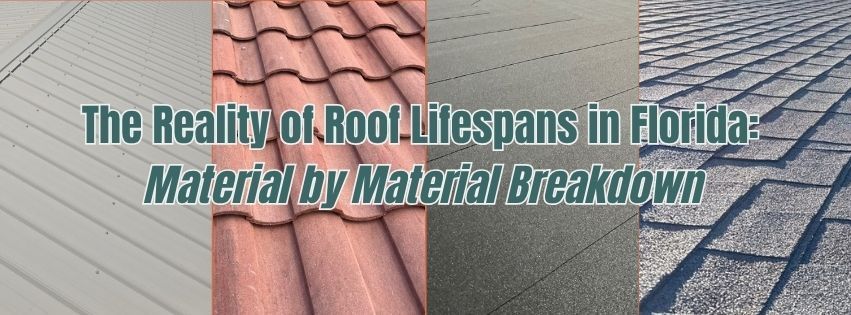
A: Yes, all roofing materials expand and contract with temperature changes. However, materials like high-quality architectural shingles and properly installed metal roofing systems are designed with better flexibility and fastening systems to accommodate this movement more effectively than older, standard 3-tab shingles.
Q: How often should I have my roof inspected because of this issue?
A: For Central Florida homeowners, we recommend a professional roof inspection at least once a year, ideally before the summer storm season begins. This allows a trained expert to spot the subtle signs of thermal shock and address them before a small crack turns into a costly interior leak.
Q: Will my homeowner's insurance cover damage from thermal shock?
A: Typically, homeowner's insurance covers sudden, accidental events, not gradual wear and tear. Because thermal shock damage happens slowly over many seasons, it's often considered a maintenance issue and may not be covered, which is why proactive inspections are so important.
Don't let the silent stress of Central Florida’s weather lead to a sudden, expensive roof failure. The unseen damage from thermal shock is real, but it can be managed with professional care. Contact Certified Best Roofing today to schedule a free, no-obligation roof inspection and protect your home from the top down.