Avoiding Storm Chaser Scams: How to Choose a Roofer in Florida
Florida's summer brings sunshine and, unfortunately, powerful storms. After the clouds clear, you might be facing damage to your roof. This is a stressful time, and it's when you need a trustworthy expert most. So, how do I avoid roofing scams after a storm? The best way is to stay calm, reject high-pressure sales tactics, and thoroughly vet any contractor you consider. Never sign a contract or hand over money on the spot. Instead, focus on finding a licensed, insured, and local 'Certified' expert with a proven track record in your community. This guide will show you how to choose a roofer you can trust and avoid the predatory 'storm chasers' who follow bad weather, ensuring your storm damage roof repair is handled professionally from start to finish. Choosing the best roofing company means looking for stability, not speed.
Who Are 'Storm Chasers' and Why Are They Dangerous?
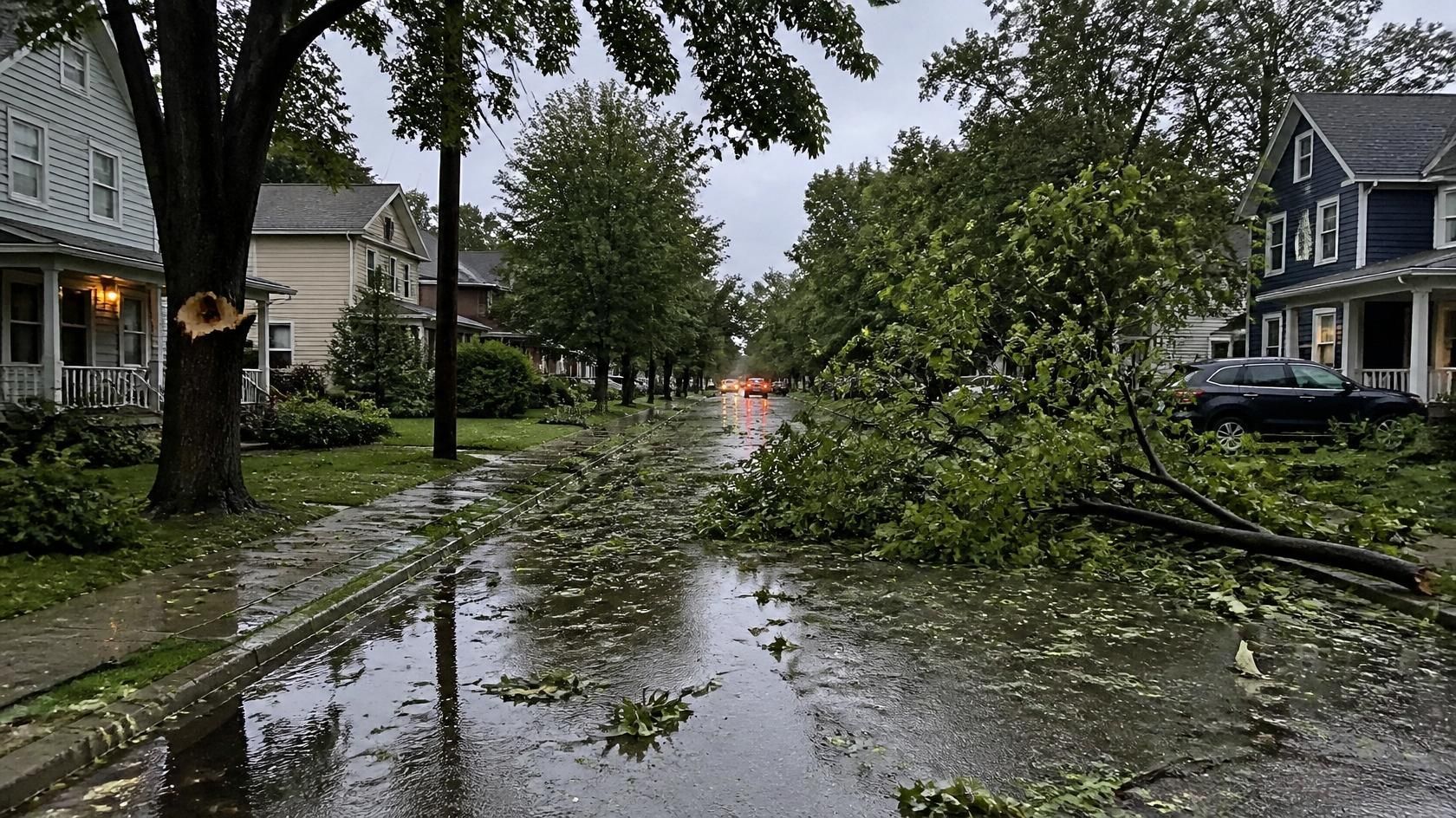
After a major storm, you might see an influx of trucks and contractors in your neighborhood. While some are legitimate, many are 'storm chasers.' These are out-of-town opportunists who travel to areas recently hit by severe weather. Their goal is to make quick money by preying on homeowners who are stressed and in urgent need of repairs. They are not part of your community. Once they've collected their payments and completed their work—often poorly—they move on to the next storm-damaged town, leaving you with no way to contact them if something goes wrong.
The dangers of hiring these transient contractors are significant. The biggest issue is the quality of their work. To maximize profits, they often use cheap, substandard materials and cut corners during installation. This can lead to leaks, further structural damage, and a roof that fails prematurely. A shoddy repair job might even void your roof's manufacturer warranty, leaving you responsible for future costs. Worse, some storm chasers are outright scammers. They might take a large down payment and disappear without ever starting the job. They can also involve homeowners in insurance fraud by offering to 'cover' the deductible, which is illegal and can have serious consequences. Choosing a roofer should be about securing your home for the long term, not just a quick fix.
Red Flags: How to Spot a Predatory Roofing Contractor
Knowing how to spot a scammer is your first line of defense. Predatory contractors use a specific set of tactics designed to pressure you into making a hasty decision. Be on alert for these major red flags when you're considering a company for your storm damage roof repair.
High-Pressure Sales Tactics
Storm chasers will often show up at your door uninvited. They'll create a sense of urgency, telling you that they're 'in the area for a limited time' or that a special price is 'only good for today.' They push you to sign a contract on the spot. A reputable roofer will give you the time and space you need to make an informed decision.
Demands for Large Upfront Payments
A huge warning sign is a contractor who demands a large deposit, especially in cash, before any work begins. While a reasonable deposit for materials is standard, it shouldn't be more than 10-20% of the total job cost. Never pay for the entire project upfront. Also, be wary of anyone who pushes you to sign over your entire insurance check.
Vague or Missing Credentials
Ask for a physical business address, not just a P.O. box. Check their vehicle for out-of-state license plates. Most importantly, ask for proof of their Florida contractor's license and their insurance coverage (both liability and worker's compensation). A legitimate company will provide these documents without hesitation. If they can't or won't, that's your signal to walk away. The best roofing company will be transparent about their credentials.
The Certified Difference: Why a Local Pro is the Best Roofing Company
When you need a storm damage roof repair, the smartest choice is always a licensed, insured, and local professional. Unlike storm chasers, a local roofing company has a permanent physical presence and a reputation to protect within your community. They are your neighbors, and their business depends on the quality of their work and the satisfaction of their customers. They will be there for you long after the job is done to address any concerns and honor their warranties.
Your Post-Storm Checklist for Safe Roof Repair
Feeling overwhelmed after a storm is normal. Following a clear plan can help you stay in control and make smart decisions for your home. Use this checklist to navigate the process safely and effectively.
1. Document Everything from the Ground
Your safety is the top priority. Do not climb on a potentially damaged and slippery roof. Instead, walk around your property and take clear pictures and videos of any visible damage from the ground. This includes dented or missing shingles, damaged gutters, and any debris on the roof.
2. Take Temporary Measures
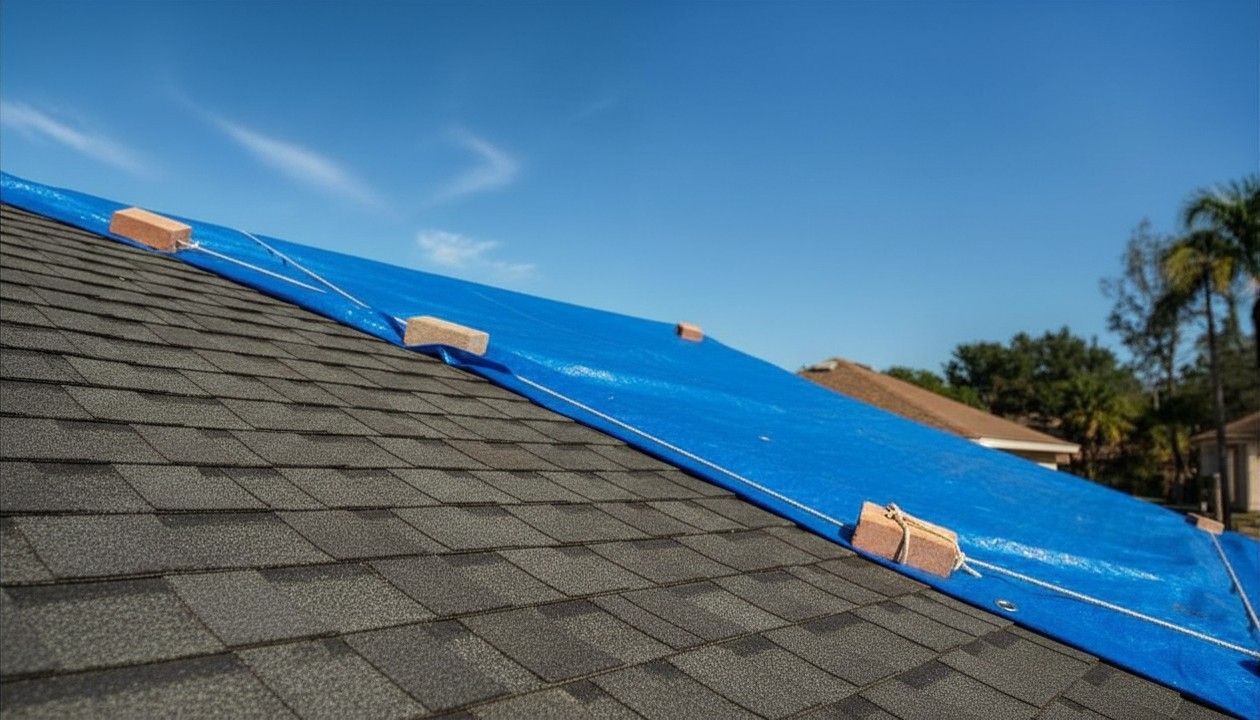
If you have active leaks and can do so safely, try to minimize interior water damage. Place buckets under drips and move valuable items out of the way. You can call a professional roofing company for emergency services, like putting a tarp on the roof, to prevent further damage while you wait for repairs.
3. Contact Your Insurance Agent
Report the damage to your insurance provider as soon as possible. They will explain the claims process, let you know what your policy covers, and schedule an adjuster to visit. Remember, you do not have to use the contractors they recommend. The final choice is always yours.
4. Vet Local Roofing Companies
Now it's time to research. Look for established, local companies with excellent reviews. Check their license on the Florida DBPR website. Verify they have both liability insurance and worker's compensation. Ask for at least three local references and get multiple, detailed written estimates to compare. This is the most critical step in how to choose a roofer.
Q: What's the very first thing I should do if a storm damages my roof?
A: First, prioritize your family's safety. Then, document the damage by taking photos from the ground and cover any active leaks with a tarp to prevent interior water damage. Do not climb on the roof yourself; instead, call a trusted, local roofing professional for a safe and thorough inspection.
Q: Why shouldn't I pay for the whole roofing job before the work starts?
A: Never pay the full amount upfront, as this is a common tactic used by scammers. A reputable company will require a reasonable deposit for materials, but final payment should only be made after the work is completed to your satisfaction. Paying in full leaves you with no recourse if the contractor disappears or performs shoddy work.
Q: How can I verify a roofer is truly a local company?
A: Check for a permanent physical business address in your area, not just a P.O. Box, and a local phone number. Ask for proof of state licensing and insurance, and look up their business on the Better Business Bureau (BBB) website. A true local roofer will have a long-standing presence in your community.
Q: Is the cheapest estimate for my roof repair always the best choice?
A: The cheapest bid is often a red flag for low-quality materials, uninsured labor, or rushed workmanship that won't last. The best roofing company provides a fair price that reflects quality materials, proper insurance, and skilled labor. Always get multiple detailed quotes to compare the scope of work, not just the final price.
Q: A roofer offered to waive my insurance deductible. Is this a good deal?
A: No, this is a major red flag and is a form of insurance fraud. This practice is illegal and can put you, the homeowner, at significant risk. An honest contractor will work directly and transparently with your insurance company but will never offer to illegally absorb or 'waive' your deductible.
Don't let a summer storm lead to a second disaster by choosing the wrong contractor. When the integrity of your home is on the line, you need a partner you can trust long after the storm has passed. Protect your investment and your peace of mind by choosing a certified, local expert. Contact Certified Best Roofing today for a free, no-obligation storm damage inspection and let us show you the difference quality and integrity make.