Common Roof Leak Sources vs. The Main Culprit: What Every Homeowner Should Know
That dreaded drip. The mysterious water stain on your ceiling. These are classic signs of a leaking roof, a problem no Sanford homeowner wants to face. When you see signs of roof damage, your first thought might be to blame broken shingles or clogged gutters, especially with our heavy Florida rains. But what are the most frequent sources of roof leaks in Florida? While issues like storm damage are common, the number one culprit is often something much smaller and more overlooked: failed or improperly installed flashing. This thin metal stripping is your roof’s primary defense at its most vulnerable points. This article will compare common leak sources against this main offender. We'll explore why fixing your flashing is so critical and how to spot leaking roof symptoms before they lead to major repairs.
Understanding Common Causes of Roof Damage
When homeowners see a water stain, their minds often jump to the most obvious forms of roof damage. It’s easy to blame a missing shingle after a strong thunderstorm or a fallen branch. And yes, these are certainly valid concerns. Our intense Florida sun beats down on shingles year-round, causing them to become brittle and crack over time. A strong gust of wind can then lift them, creating an opening for rain. However, a single missing shingle often doesn’t cause a major leak unless the underlying weather barrier is also compromised.
Another frequent suspect is clogged gutters. With all the beautiful trees in the area, it’s no surprise that leaves and pine needles can quickly fill your gutters. When this happens, rainwater can’t drain properly. It backs up and can seep under the edge of your roof, causing wood rot and leaks along the exterior walls. This is a serious issue, but it typically contains the damage to the roof’s edge. Other issues, like punctures from foot traffic or satellite dish installation, create direct paths for water. While all these problems require attention, they are often less deceptive and widespread than leaks caused by the true main culprit: your roof’s flashing. Understanding these common issues helps put into perspective why a small metal strip can be an even bigger threat.
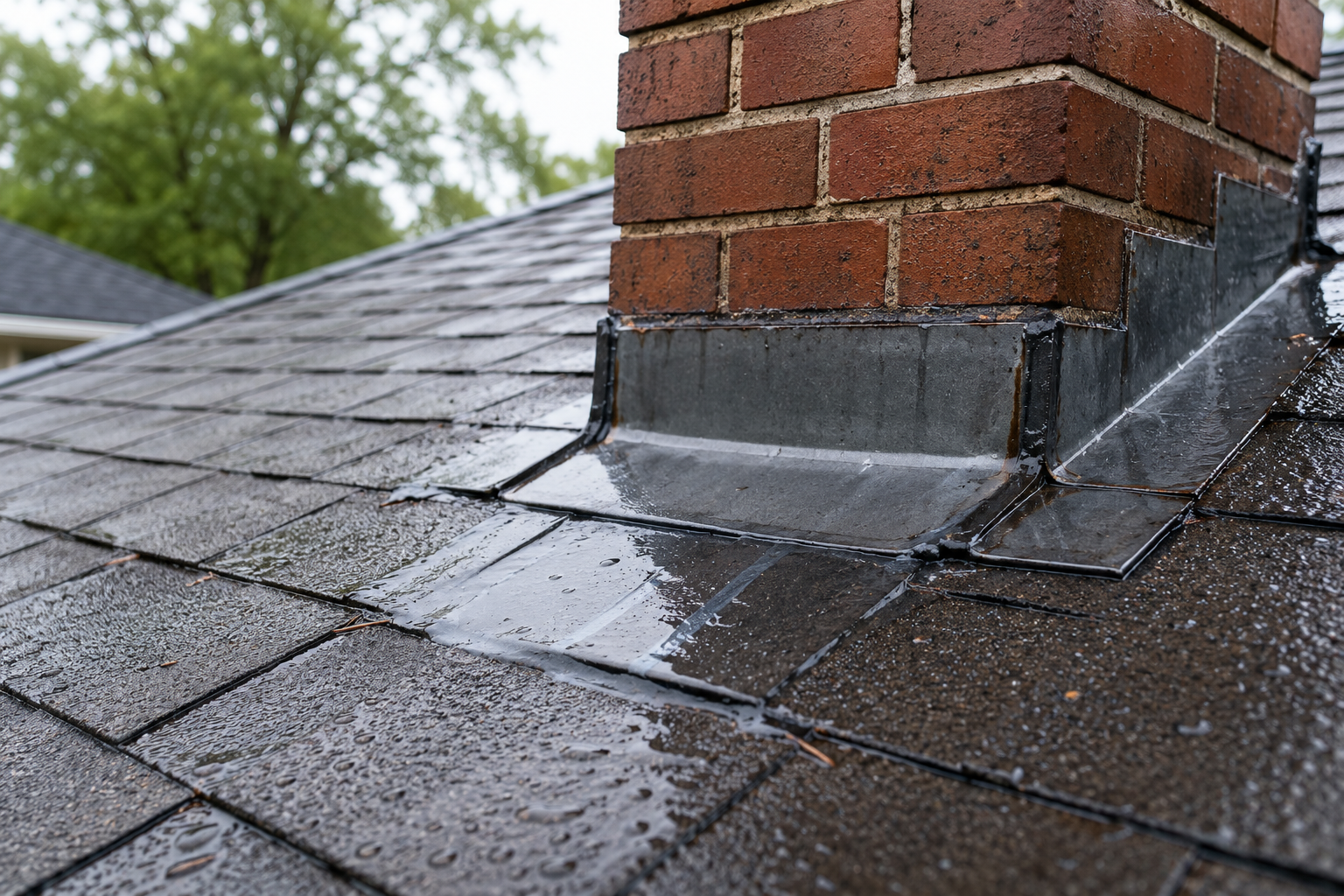
The Unseen Enemy: Why Flashing is the #1 Source of Leaks
So, what is this hidden enemy? Flashing consists of thin sheets of metal, usually galvanized steel or aluminum, that roofers install at any transition point or joint on your roof. Think of it as the seal that protects the most vulnerable areas. You’ll find it around your chimney, skylights, dormer windows, and in the “valleys” where two different roof slopes meet. These spots are natural weak points where water can penetrate if not sealed perfectly. The number one reason for flashing failure isn’t that the metal breaks down; it’s improper installation. If a roofer takes shortcuts or doesn’t shape the metal correctly, it creates tiny gaps for water to enter.
Over time, even well-installed flashing can fail. The caulking used to seal its edges can dry out, shrink, and crack under Central Florida’s relentless sun, breaking the watertight seal. The house itself can settle, creating new, small gaps. The metal can also begin to rust if its protective coating wears off. The real danger of a flashing leak is how deceptive it is. A small, quarter-inch gap can allow gallons of water to enter during a heavy downpour. This water then runs along beams and insulation, often showing up as a stain on your ceiling many feet away from the actual source of the roof damage. This makes diagnosing the problem difficult for anyone but a professional roofer.
Leaking Roof Symptoms: How to Spot Trouble Early
Catching a leak early is the key to preventing expensive repairs. The best way to do this is to know the leaking roof symptoms. Some signs are obvious, but others are more subtle. By the time you notice them, water has likely been getting in for a while.
Indoor Signs of a Leak
Inside your home, be on the lookout for water stains on your ceiling or walls. These often look like yellowish or brownish circles that grow over time. You might also notice paint that is bubbling, peeling, or blistering near the ceiling line. In some cases, you won’t see anything at all, but you might smell a musty or earthy odor in a specific room. This is a major red flag for hidden mold and mildew growing due to a slow, persistent leak. And of course, the most unmistakable sign is the sound of dripping water.
Outdoor Signs of a Leak
It’s also wise to inspect your roof from the ground, especially after a major storm. Look for any flashing around your chimney or vents that appears bent, rusted, or pulled away from the roof. Check for cracked or missing sealant around these same areas. You may also see water stains on your exterior walls or siding, which indicates water is getting behind your gutters. Spotting these outdoor leaking roof symptoms can alert you to a problem before it causes significant interior roof damage.
Why You Need Professional Roofing Services for Flashing Repair
When faced with a leak, the temptation to find a quick, cheap fix can be strong. Many homeowners might try to solve a flashing leak by applying a thick layer of roof cement or caulk over the suspected area. Unfortunately, this is only a temporary patch, not a permanent solution. These materials break down very quickly under the intense UV rays and heat we experience in Sanford. Within a year, or even just a few months, the material will crack, and your leak will return. This DIY approach often just hides the problem, allowing more water to cause hidden roof damage to the wooden structure of your roof deck.
A proper flashing repair is a complex process that requires expertise. It involves carefully removing the surrounding shingles without damaging them, prying up the old, failed flashing, and inspecting the wood underneath for rot. Then, a new piece of metal must be cut and bent to the precise shape needed. A professional roofing expert knows how to integrate this new flashing with the underlayment and shingles in layers, creating a system that forces water down and away from the joint. This is a skill that takes years to master. Using professional roofing services ensures the repair is done correctly, protecting your home for the long term and giving you peace of mind.
Protecting Your Central Florida Home from Water Damage
The best way to deal with roof damage is to prevent it from happening in the first place. Proactive maintenance is far less stressful and expensive than reacting to an emergency leak. For your Central Florida home, this means paying regular attention to your roof’s condition.
The Value of Regular Roof Inspections
We recommend scheduling a professional roof inspection at least once a year. A trained roofer from a professional roofing company can spot the subtle signs of wear and tear that an untrained eye would miss. They can identify failing sealant around flashing, hairline cracks in shingles, or early signs of rust before they turn into active leaks. An annual inspection, or one scheduled right after a major hurricane or hailstorm, is one of the smartest investments you can make in your property. It provides an opportunity to perform small, preventative repairs that can save you from catastrophic water damage down the road.
Simple Maintenance Homeowners Can Do
While a pro should handle the inspections, there are things you can do. Keep your gutters clean to prevent water backup. Trim any large tree limbs that hang over your roof to stop them from scraping shingles or falling and causing a puncture. And most importantly, stay vigilant for the leaking roof symptoms we’ve discussed. A quick walk around your property to look up at your roof is a simple but effective habit. Taking these steps will help you protect your investment and keep your home safe and dry.
Q: How can I tell if my roof leak is from flashing or just a bad shingle?
A: It's difficult to be certain without a professional inspection. However, leaks occurring around chimneys, vents, or where different roof planes meet are classic signs of flashing failure. A single damaged shingle typically causes a more isolated and smaller leak.
Q: Can I just put sealant or caulk on my flashing to fix a leak?
A: While sealants may provide a temporary patch, they are not a permanent solution for roof damage. The intense Florida sun in areas like Sanford degrades these materials quickly, inevitably leading to future leaks. Proper flashing repair or replacement is the only way to guarantee a long-term fix.
Q: How often should I have my roof flashing inspected in Florida?
A: Given our region's intense sun and hurricane season, a professional roof inspection every 1-2 years is a smart investment for any homeowner. This allows a professional roofer to identify potential flashing issues or other leaking roof symptoms before they escalate. This proactive approach is key to preventing widespread water damage.
Q: Is a small, slow leak really that big of a deal?
A: Absolutely. Even a minor leak can lead to significant hidden problems over time, including dangerous mold growth, structural wood rot, and ruined insulation. Addressing any sign of a leaking roof immediately is critical to protecting your home's structural integrity and value.
Q: Why is professional roofing help necessary for flashing?
A: Flashing installation is a highly technical and precise job that requires expert knowledge to create a completely watertight seal. Improperly installed flashing is a leading cause of premature roof failure. Always trust a certified professional roofing contractor to handle this critical component of your roofing system.
Don't let a small leak spiral into a major catastrophe for your Sanford home. If you have noticed any leaking roof symptoms or are concerned about your roof's condition, it's time to take decisive action. Contact Certified Best Roofing today for a comprehensive, no-obligation roof inspection to protect your most valuable asset. Our experienced team is ready to provide the professional roofing solutions you need to keep your home safe, dry, and secure.